

Prayer Beads: Meaning, Benefits, Types & How to Use Them Daily
A complete guide to prayer beads, including Islamic prayer beads and Muslim prayer beads (tasbih) — their meaning, benefits, types, and exactly how to use them as part of a daily practice.
Prayer beads are one of the oldest tools for focused, repetitive prayer and remembrance, used across many faiths and cultures for centuries. Among the most widely used today are Islamic prayer beads, known as tasbih or misbaha, which help Muslims keep count during dhikr — the practice of remembering and glorifying Allah through repeated phrases. Held in the hand, moved bead by bead, a set of Muslim prayer beads turns a simple string of stones into a quiet, physical anchor for reflection and devotion.
At Alpine Crystals UAE, our tasbih prayer beads collection is handcrafted from natural gemstones, combining traditional Islamic practice with the beauty of authentic crystal. In this guide, we’ll walk through what prayer beads mean, their history, the different types available, and exactly how to use them as part of a consistent daily practice.
Whether you’re choosing your first tasbih, replacing one that’s worn out over years of daily use, or looking for a meaningful gift for someone in your life, understanding the tradition, the different materials available, and what to look for in quality craftsmanship will help you choose a piece that genuinely supports your practice for years to come.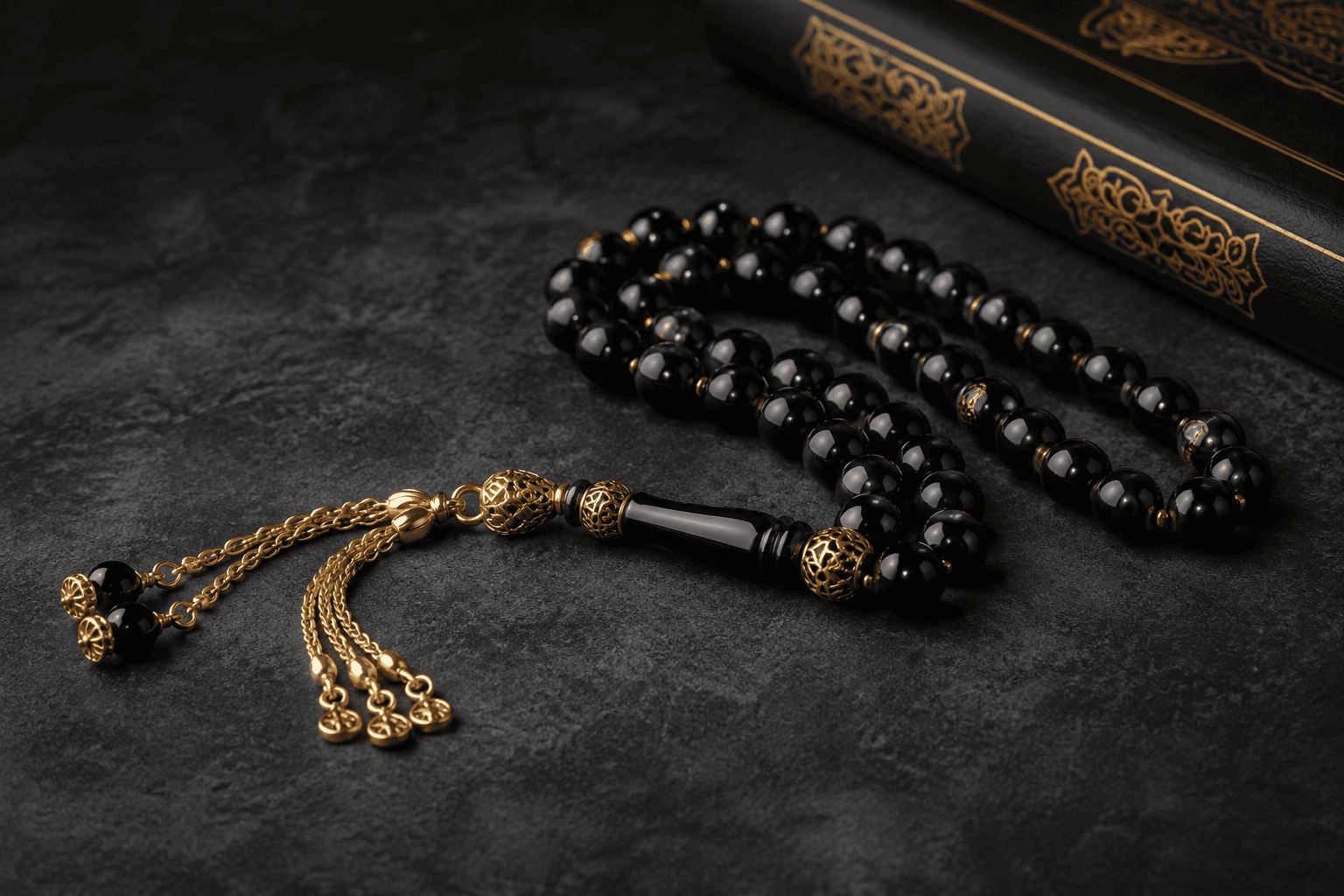
What Are Prayer Beads?
Prayer beads are a string of beads used to keep count during repeated prayers, chants, or phrases. Rather than relying on mental counting — which can be distracting during a moment meant for focus and reflection — a practitioner moves one bead at a time through their fingers with each repetition, allowing their attention to stay on the prayer itself rather than the count.
This simple, tactile method appears across a wide range of religious and spiritual traditions around the world, each with its own name, bead count, and specific practice — but all sharing the same underlying purpose: supporting focused, repeated devotion.
Islamic and Muslim Prayer Beads (Tasbih)
Islamic prayer beads, commonly known as tasbih (also spelled tasbeeh) or misbaha, are used by Muslims around the world to assist with dhikr — the remembrance of Allah through the repetition of specific phrases and names. The word “tasbih” itself relates to the Arabic phrase “SubhanAllah,” meaning “Glory be to Allah.”
A traditional tasbih typically has either 33 or 99 beads, sometimes with small dividers marking every 33 beads. The 99-bead version is closely associated with the 99 names of Allah (Asma al-Husna), while the 33-bead version is commonly used to complete a full cycle of dhikr three times over, reaching a total of 99 repetitions.
Common Phrases Recited With Tasbih
While practices can vary, one of the most widely followed patterns — often recited after the five daily prayers — involves saying each of the following phrases 33 times:
- SubhanAllah (“Glory be to Allah”)
- Alhamdulillah (“All praise is due to Allah”)
- Allahu Akbar (“Allah is the Greatest”)
Together, these three phrases repeated 33 times each complete 99 total repetitions, matching the 99-bead tasbih exactly, or three full passes of a 33-bead tasbih.
Why Tasbih Is Used
Using a tasbih allows a person to keep an accurate count during dhikr without needing to mentally track numbers, freeing their attention to stay fully present with the meaning of each phrase being recited. This is part of why tasbih has remained such an enduring and widely used tool across the Muslim world for well over a thousand years.
A note on tradition: Practices around dhikr and the specific phrases recited can vary between individuals, communities, and schools of thought. This guide reflects commonly known, widely followed traditions, and is not intended as religious instruction — those seeking guidance on specific practice are encouraged to consult a knowledgeable religious source.
Tasbih as a Meaningful Gift
Beyond personal daily use, tasbih are widely given as gifts within Muslim communities, particularly during Ramadan, Eid, or after returning from Hajj or Umrah. A thoughtfully chosen tasbih, whether in wood, amber, or natural gemstone, is often seen as a gift that carries both spiritual and personal meaning, making it a popular choice for family members, friends, or respected elders.
A Familiar Presence in Daily Life
For many, a tasbih becomes a constant, familiar object — kept in a pocket, a car, a bag, or beside a prayer mat. Over years of use, it often becomes deeply personal, carrying with it the quiet accumulation of countless individual moments of reflection and remembrance.
A Brief History of Prayer Beads
The use of counting beads for prayer is believed to date back over a thousand years, with early forms appearing across several regions and faiths, likely influencing one another as trade and travel connected different parts of the world.
Prayer Beads in Islam
Tasbih has long been used throughout the Muslim world to support dhikr, with historical references to counting stones or knotted cords used for this purpose dating back many centuries. Today’s gemstone and wooden tasbih sets carry forward that same simple, practical tradition.
Prayer Beads in Other Traditions
Beyond Islamic practice, similar tools appear in several other traditions. In Christianity, the rosary is used for counting repeated prayers such as the Hail Mary. In Buddhism and Hinduism, a mala — typically featuring 108 beads — is used during mantra repetition and meditation. While the specific prayers, counts, and materials differ, the shared purpose across all these traditions is remarkably consistent: helping the mind stay anchored during repeated, focused devotion.
Different Names, Same Purpose
Depending on the region and language, Islamic prayer beads are known by several different names, including tasbih, tasbeeh, misbaha, masbaha, sibha, and subha. Despite the variation in spelling and pronunciation across Arabic, Turkish, Urdu, and other languages, all of these terms refer to the same practice and the same style of counting tool used for dhikr.
Benefits of Using Prayer Beads
Whether used specifically for Islamic dhikr or another form of repeated prayer, prayer beads offer a number of practical and spiritual benefits.
Accurate, Effortless Counting
Moving one bead per repetition removes the need to mentally track numbers, freeing your attention for the prayer itself rather than splitting focus between counting and reciting.
A Physical Anchor for Focus
The tactile motion of moving beads through your fingers gives the mind something steady to hold onto, making it easier to stay present during longer sessions of dhikr.
A Calming, Repetitive Rhythm
The steady, repeated motion of counting beads can have a naturally calming effect, similar to other repetitive, mindful practices found across many traditions.
Support for Consistency
Having a physical tool dedicated to dhikr or prayer can make it easier to build and maintain a consistent daily practice, rather than relying on willpower alone.
A Portable Spiritual Practice
Small and easy to carry, prayer beads allow dhikr or reflection to happen anywhere — while traveling, commuting, or waiting for an appointment.
A Meaningful, Personal Object
Many people form a genuine personal connection to their tasbih over time, treating it as a cherished, everyday companion in their practice rather than a simple accessory.
A Thoughtful, Lasting Gift
Prayer beads are a popular and meaningful gift, especially during Ramadan, Eid, or after completing Hajj or Umrah, often kept and used for many years afterward.
A Bridge Between Moments of Prayer
Beyond formal prayer times, many people use their tasbih throughout the day as a quiet, ongoing way to stay connected to remembrance and reflection between obligations.
Types of Prayer Beads
Prayer beads come in a wide range of materials and styles, each with its own look, feel, and traditional significance.
Wooden Prayer Beads
Made from materials like olive wood or sandalwood, wooden tasbih are lightweight, warm to the touch, and often carry a subtle natural fragrance. They’re a traditional, widely available option, valued for their simplicity, and are often the first tasbih many people are given as children or gifted early in their practice.
Gemstone and Crystal Prayer Beads
Crafted from natural stones such as citrine, tiger’s eye, aquamarine, or clear quartz, gemstone tasbih combine the practice of dhikr with the natural beauty and traditional properties associated with each stone. These have grown especially popular for those who appreciate both the spiritual and aesthetic side of their prayer beads, and often make a striking, more personal alternative to simpler materials.
Amber and Resin Prayer Beads
Amber tasbih, often antique or vintage in style, are prized for their warm, honey-toned appearance and lightweight feel, making them comfortable for extended use. Genuine amber is also known for developing a smooth, polished patina over years of handling, which many owners consider part of its charm.
Plastic and Acrylic Prayer Beads
Affordable and widely available, plastic or acrylic tasbih are practical, everyday options, though they typically lack the natural weight, texture, and character of wood or gemstone varieties. These are often chosen for travel, as a spare set, or for children just learning the practice.
Pearl and Coral Prayer Beads
Less common but still traditional, pearl and coral tasbih are valued for their smooth, rounded texture and understated elegance, often chosen as a special or ceremonial piece rather than everyday use.
Prayer Beads by Gemstone
For those drawn to gemstone tasbih specifically, here’s a closer look at some of the most popular stones and what each is traditionally associated with.
Citrine Tasbih
Known as the “happy stone,” citrine is associated with positivity, warmth, and personal energy, making it a popular choice for those seeking an uplifting companion for daily dhikr. Our Natural Citrine Tasbih Prayer Beads (10mm, 33 beads) combines this warm energy with a smooth, comfortable grip for daily use.
Tiger’s Eye Tasbih
Tiger’s eye is traditionally associated with grounding, protection, and clear thinking, making it a popular choice for those wanting a steady, focused companion during prayer. Our Natural Tiger Eye Tasbih Prayer Beads (8mm, 33 beads) offers a distinctive shimmer alongside its traditional grounding reputation.
Aquamarine Tasbih
With its soft blue-green tone, aquamarine is associated with calm and clarity, often chosen by those looking for a soothing, serene companion for quiet reflection. Explore our Natural Aquamarine Tasbih Prayer Beads (10mm, 33 beads) for a gentle, calming option.
Clear Quartz Tasbih
As the “master healer” of the crystal world, clear quartz is associated with clarity and amplified intention, making it a versatile choice for those wanting a focused, all-purpose companion for dhikr.
You can browse our full range of gemstone options in the Tasbih Prayer Beads collection, or explore individual stone meanings further in our guide to crystals and their meanings.
Choosing Prayer Beads for Different Moments
Just as the occasion or setting for prayer can vary, many people choose a particular tasbih to suit different parts of their day or life.
For Daily Prayer at Home
A comfortable, everyday gemstone or wooden tasbih kept beside your prayer mat makes it easy to build dhikr into your regular routine without extra effort.
For Travel and Commuting
A smaller, more compact 33-bead tasbih is easy to slip into a pocket or bag, making it a practical companion for dhikr during a commute, flight, or any time spent waiting.
For Ramadan and Special Occasions
Many people choose a more elegant or symbolic tasbih — such as one in citrine or amber — specifically for Ramadan, Eid, or as a meaningful gift to mark a special milestone like returning from Hajj or Umrah.
For Quiet, Reflective Moments
A calming stone such as aquamarine or amethyst is often chosen for slower, more contemplative dhikr sessions, particularly in the quiet hours of early morning or late evening.
How to Use Prayer Beads for Dhikr
If you’re new to using tasbih, here’s a simple, commonly followed approach to get started.
- Hold the tasbih comfortably. Most people hold the beads in one hand, using the thumb to move each bead forward one at a time.
- Begin at the starting bead. Many tasbih sets have a slightly larger bead or a small marker indicating where a full cycle begins.
- Recite and move. With each repetition of your chosen phrase, move one bead forward with your thumb.
- Use the dividers as a guide. On a 99-bead tasbih, small dividers often mark every 33 beads, helping you keep track of each phrase without needing to count manually.
- Complete the cycle. Once you reach the final bead, you’ll have completed a full cycle — commonly 33 or 99 repetitions, depending on your practice.
Quick tip: Many people keep their tasbih in a pocket, bag, or car, using small pauses throughout the day — after prayer, while commuting, or before sleep — as natural moments to return to dhikr.
Using Prayer Beads Daily
Beyond formal prayer times, many people build tasbih into a broader daily rhythm. Here are a few common approaches.
After Each of the Five Daily Prayers
A traditional and widely followed practice involves reciting SubhanAllah, Alhamdulillah, and Allahu Akbar 33 times each immediately following prayer, using the tasbih to keep an accurate count.
Morning and Evening Remembrance
Many people set aside a few quiet minutes in the morning or evening specifically for dhikr, using this consistent time as an anchor for their daily spiritual practice.
During Travel or Waiting
Because tasbih is small and portable, it’s easy to carry during a commute, a flight, or any moment of waiting, turning otherwise idle time into an opportunity for quiet reflection.
Before Sleep
A short session of dhikr before bed is a common way to close the day with a calm, reflective mindset.
Building a Habit That Lasts
Like any consistent practice, the value of using tasbih daily tends to come less from any single session and more from the accumulated habit over weeks, months, and years. Many people find that keeping their tasbih in a visible, easily accessible place — rather than tucked away — makes it far more likely that dhikr becomes a natural, recurring part of the day rather than something easily forgotten.
Why the Right Tasbih Makes a Difference
It might seem like a small detail, but the specific tasbih you choose can genuinely influence how consistent your practice becomes. A tasbih that feels uncomfortable, cheaply made, or simply doesn’t suit your personal taste is far easier to set aside and forget. On the other hand, a well-crafted, comfortable set that you’re personally drawn to — whether for its material, color, or story — tends to naturally find its way into your hand more often, whether that’s during formal prayer times or the small, quiet pauses throughout an otherwise busy day.
This is part of why gemstone tasbih have grown so popular in recent years: beyond their traditional use, the added layer of personal meaning and natural beauty in a stone like citrine, tiger’s eye, or aquamarine can make a tasbih feel less like a generic object and more like a piece that’s genuinely yours.
How to Choose the Right Prayer Beads
With so many materials and styles available, a few simple factors can help guide your choice.
1. Bead Count
Decide whether you’d prefer a 33-bead or 99-bead tasbih. A 33-bead set is compact and portable, requiring three passes to complete 99 repetitions, while a 99-bead set allows a full cycle in one continuous pass.
2. Material
Consider whether you’re drawn to the natural warmth of wood, the traditional elegance of amber, or the added meaning and beauty of gemstone tasbih.
3. Bead Size
Smaller beads (6–8mm) offer a more compact, discreet feel, while larger beads (10mm+) provide a bolder look and a slightly easier grip for extended use.
4. Craftsmanship
Look for smooth, evenly sized, well-strung beads with a durable cord or thread, since a well-made tasbih will hold up to daily, repeated use over years.
5. Personal Connection
Beyond the practical details, many people find that the right tasbih is simply the one that feels right in the hand and resonates with them personally, whether through its material, color, or overall craftsmanship.
Signs of Quality Craftsmanship
Since a tasbih is typically used daily, often for years, the quality of its construction matters just as much as its material or appearance.
Evenly Sized, Well-Polished Beads
Each bead should be smooth and reasonably consistent in size, allowing the string to move fluidly through the fingers during use without catching or snagging.
A Secure, Durable Cord
A well-made tasbih uses a strong, tightly knotted cord able to withstand years of daily handling without fraying or loosening.
Properly Fitted Dividers
On a 99-bead tasbih, the small dividers marking each set of 33 should sit securely in place, helping guide the count accurately without shifting during use.
A Comfortable Weight and Grip
A quality tasbih should feel balanced and comfortable in the hand, neither too light to feel substantial nor too heavy for extended, repeated use.
Caring for Your Prayer Beads
Since prayer beads are used daily and often carried everywhere, a little routine care goes a long way toward keeping them functional and meaningful for years.
Wipe After Use
A quick wipe with a soft, dry cloth after regular use helps remove natural oils and dust that accumulate from frequent handling, keeping the beads looking their best.
Avoid Harsh Chemicals or Water Exposure
This is particularly important for wooden or resin varieties, which can warp, discolor, or lose their finish with prolonged moisture exposure. Gemstone tasbih are generally more resilient, but still benefit from avoiding harsh cleaning products.
Store Thoughtfully
Keeping your tasbih in a pouch or small box when not in use protects both the beads and the cord from unnecessary wear, especially if it’s carried in a bag or pocket alongside other items.
Check the Cord Periodically
Especially with daily use, it’s worth periodically checking the condition of the cord and considering restringing if it begins to look worn, rather than waiting for it to snap and lose beads.
Handle Gently
This is especially true with natural gemstone beads, which can chip or scratch if dropped or handled roughly, unlike more forgiving materials like wood or plastic.
Common Mistakes to Avoid
Choosing Based on Appearance Alone
While aesthetics matter, comfort, durability, and bead count are equally important for daily use. A beautiful tasbih that feels awkward in the hand or uses a poor-quality cord is far less likely to become a genuine part of your daily routine.
Ignoring Cord Quality
A poorly strung tasbih is more likely to break with frequent, daily handling, especially given how often the beads are moved and counted. Checking the quality of the stringing before buying can save the frustration of an early replacement.
Ignoring Bead Size and Comfort
A tasbih that feels awkward in the hand — too large, too small, or unevenly spaced — is less likely to become part of a consistent daily habit. Testing the feel of different bead sizes, where possible, helps ensure a comfortable long-term fit.
Treating It as Purely Decorative
While beautiful, tasbih are practical tools meant for regular, hands-on use rather than display alone. Keeping it within easy reach — rather than stored away as an ornament — makes it far more likely to become part of a genuine daily practice.
Overlooking Maintenance
Regular gentle care extends the life of a tasbih used every single day. A quick wipe after use and occasional inspection of the cord are small habits that meaningfully extend the life of a well-loved tasbih.
Frequently Asked Questions
What is the meaning behind Islamic prayer beads?
Islamic prayer beads, known as tasbih or misbaha, are used to help Muslims keep count during dhikr, the practice of remembering and glorifying Allah through repeated phrases such as SubhanAllah, Alhamdulillah, and Allahu Akbar.
How many beads does a Muslim prayer bead set typically have?
Tasbih most commonly have either 33 or 99 beads. A 99-bead tasbih is closely associated with the 99 names of Allah, while a 33-bead tasbih is often used for three full cycles to reach 99 total repetitions.
What phrases are commonly recited using a tasbih?
A widely followed tradition, especially after the five daily prayers, involves reciting SubhanAllah, Alhamdulillah, and Allahu Akbar, each 33 times, for a total of 99 repetitions.
Can prayer beads be made from gemstones?
Yes. Gemstone tasbih, made from stones like citrine, tiger’s eye, aquamarine, and clear quartz, combine traditional Islamic practice with the natural beauty and properties associated with each crystal.
How do I use prayer beads correctly?
Hold the tasbih in one hand and move one bead forward with your thumb for each repetition of your chosen phrase, using any dividers on the string to help track full cycles of 33 or 99.
Where can I buy authentic Islamic prayer beads in the UAE?
You can shop our full range of authentic tasbih prayer beads, handcrafted from natural gemstones, with delivery across Dubai, Abu Dhabi, Sharjah, and the wider UAE.
What is the difference between tasbih, misbaha, and sibha?
These are simply different regional names for the same style of Islamic prayer beads used for dhikr. The terms vary by language and region, including Arabic, Turkish, and Urdu, but all refer to the same practice and tool.
Is it appropriate to give prayer beads as a gift?
Yes, tasbih are commonly given as gifts, especially during Ramadan, Eid, or after completing Hajj or Umrah. A thoughtfully chosen tasbih is often seen as a meaningful and personal gift for family, friends, or respected elders.
Can I use a gemstone tasbih the same way as a wooden one?
Yes. Gemstone and wooden tasbih are used in exactly the same way for dhikr. The choice between materials comes down to personal preference, comfort, and the additional meaning some people find in specific gemstones.
Final Thoughts
Prayer beads — and Islamic prayer beads in particular — offer a simple, time-tested way to bring greater focus, consistency, and mindfulness to daily prayer and remembrance. Whether you choose a traditional wooden tasbih or a natural gemstone set, what matters most is building a consistent, personal practice around it — one bead, and one moment of reflection, at a time.
Over time, many people find that their tasbih becomes far more than a simple counting tool — it becomes a quiet, familiar companion through everyday life, present during moments of gratitude, difficulty, travel, and rest alike. Choosing a piece that feels comfortable, genuine, and personally meaningful is ultimately more valuable than following any single rule about material, color, or bead count.
Ready to find your tasbih? Explore our full Tasbih Prayer Beads collection, browse our wider range of natural crystals, or read our guide on crystals and their meanings to learn more about the stones behind each set.