

Tibetan Singing Bowls Benefits: Can Singing Bowls Relieve Stress and Support Healing?
A close look at the research behind Tibetan singing bowls benefits — what studies actually show about stress, mood, and physical wellbeing, and how the science lines up with centuries of tradition.
Tibetan singing bowls have been used for centuries in meditation, prayer, and healing practices across the Himalayan region. In recent years, researchers have started to ask a more specific question: beyond tradition, is there any measurable evidence that these bowls actually affect mood, stress, or physical health? This guide takes a close look at the current research on Tibetan singing bowls benefits, including peer-reviewed studies on stress, mood, heart rate variability, and more — alongside an honest look at where the science is still limited.
At Alpine Crystals UAE, our Himalayan singing bowl collection is handcrafted using the same traditional techniques studied in much of this research. Whether you're simply curious about the science or considering a singing bowl for your own stress-relief practice, this guide covers what's actually been studied, how, and what it means in practical terms.
A note before we start: This article is intended for general educational purposes and is not medical advice. Singing bowl practice is best understood as a complementary, low-risk wellness tool rather than a replacement for professional medical or mental health care. If you're managing a diagnosed condition, it's worth speaking with a healthcare provider about how a practice like this might fit alongside your existing care.
What Are Tibetan Singing Bowls?
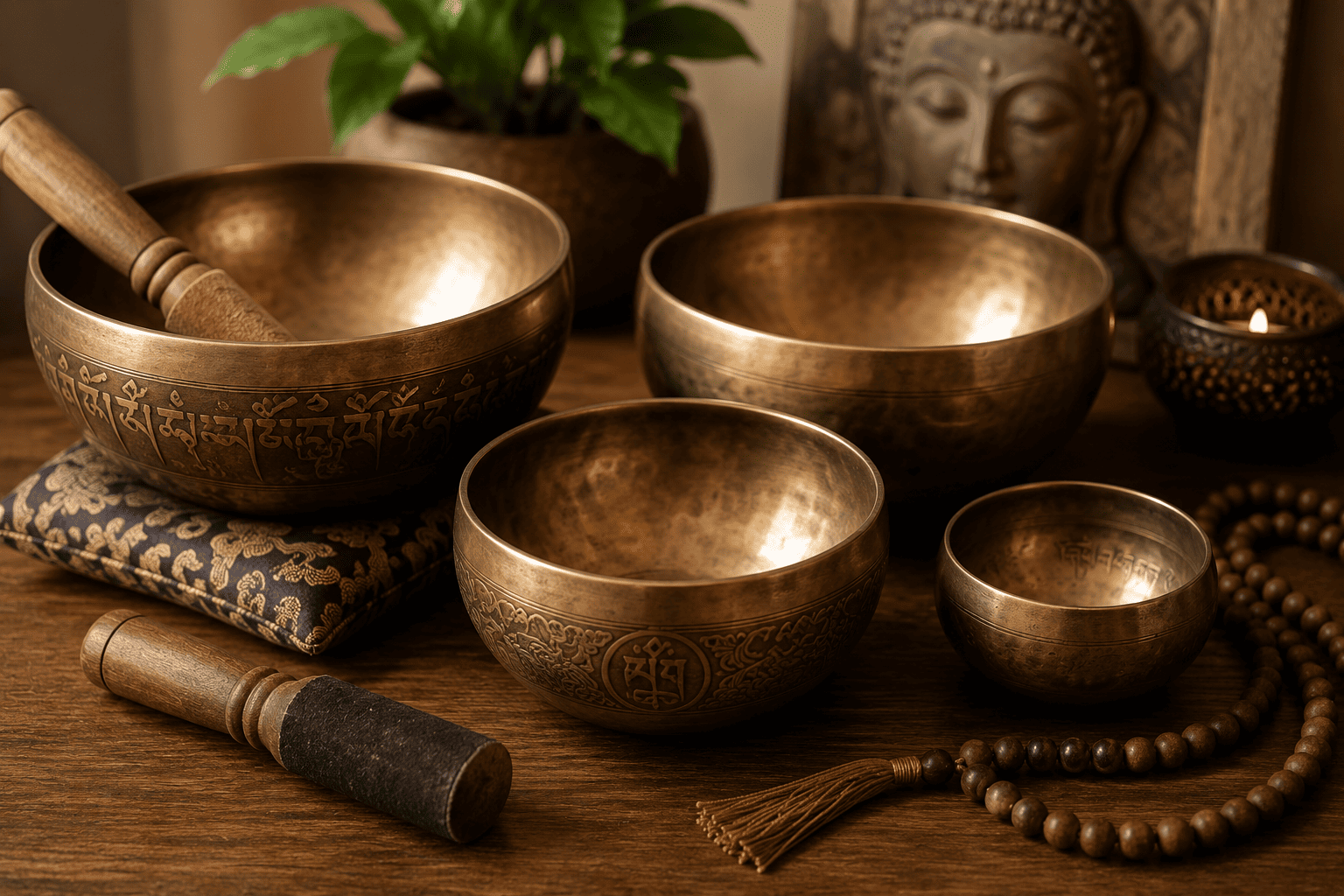
A Tibetan singing bowl (sometimes called a Himalayan singing bowl) is a type of standing bell, traditionally handcrafted from a blend of metals and played by striking or circling the rim with a wooden mallet. This produces a sustained, layered tone made up of multiple overlapping frequencies — the "singing" effect the bowls are named for.
Used for centuries in Himalayan meditation, prayer, and healing traditions, singing bowls have more recently become a common feature of yoga studios, wellness centers, and sound bath sessions around the world. That growing popularity is part of what's prompted researchers to begin studying their effects more formally, using standardized psychological and physiological measurements rather than relying on anecdotal reports alone.
Can Tibetan Singing Bowls Help Relieve Stress?
One of the most frequently cited pieces of research on this question is a 2017 observational study published in the Journal of Evidence-Based Complementary & Alternative Medicine by Goldsby and colleagues. The study followed 62 adults, averaging 49.7 years old, through a singing bowl sound meditation session, measuring mood and wellbeing before and after using standardized psychological scales, including the Profile of Mood States (POMS), the Hospital Anxiety and Depression Scale (HADS), and a spiritual wellbeing scale (FACIT-SP).
The results were notable: participants reported significantly lower tension, anger, fatigue, and depressed mood after the session, with all of these changes being statistically significant. Interestingly, people who were completely new to sound meditation showed an even greater reduction in tension than those with prior meditation experience — suggesting the effect doesn't necessarily require years of practice to notice. Participants also reported a significant increase in spiritual wellbeing following the session, and those experiencing physical discomfort beforehand, particularly those aged 40–59, often reported reduced pain afterward as well.
While this was a single-group study without a control group — meaning it can't fully rule out other explanations for the changes observed — it remains one of the most widely cited pieces of evidence specifically addressing whether Tibetan singing bowls can help relieve stress, and its results have been echoed in several smaller follow-up studies since.
Are There Health Benefits to Tibetan Singing Bowls?
Beyond self-reported mood, several studies have looked at more objective physiological markers to answer the broader question of whether there are measurable health benefits to Tibetan singing bowls.
Heart Rate and Blood Pressure
An earlier controlled study by Landry compared a guided relaxation session with and without Himalayan singing bowl sound. The group that experienced the singing bowl sound showed a significant decrease in both systolic blood pressure and heart rate compared with the relaxation session alone, suggesting the sound itself added a measurable physiological effect beyond simple guided relaxation.
Heart Rate Variability (HRV)
Heart rate variability — a common indicator of how well the nervous system shifts between "fight or flight" and "rest and digest" states — has also been studied in relation to singing bowl sound. A 2023 randomized controlled trial published in the European Journal of Investigation in Health, Psychology and Education compared a Tibetan singing bowl session against progressive muscle relaxation and a waiting-list control group in adults with elevated anxiety. The singing bowl group showed a measurable increase in HRV and a reduction in EEG alpha power compared to both other groups, pointing to genuine parasympathetic ("rest and digest") activation rather than simply the passage of time or expectation alone.
A separate small study using wearable heart rate monitors similarly found a significant improvement in HRV markers following a 30-minute Tibetan singing bowl session, again suggesting increased parasympathetic activity and a measurable relaxation response.
Brainwave Activity
Some of the reviewed studies have also examined EEG (electroencephalography) data during singing bowl sessions, reporting increases in delta and theta brainwave activity — patterns generally associated with deep relaxation and meditative states — alongside the reductions in anxiety-linked alpha activity mentioned above.
What Do the Review Articles Say?
Beyond individual studies, several review articles have attempted to summarize the broader body of research on singing bowls.
A 2020 Review in ScienceDirect
An early systematic review examined four available studies on the health effects of singing bowls, concluding that singing bowl sound meditation appeared to reduce negative mood and increase positive mood, alongside some improvements in blood pressure, heart rate, and respiratory rate. The review was clear, however, that further research was needed to establish long-term effects and any specific clinical applications.
"Exploring the Healing Power of Singing Bowls" (2023)
A more recent review, published under the title exploring the healing power of singing bowls, examined the existing literature on mood, stress, and general wellbeing outcomes. It concluded that singing bowl meditation appeared effective for reducing tension, anxiety, and depressive symptoms while supporting spiritual wellbeing, and suggested that clinicians could reasonably recommend it to patients specifically seeking relaxation and stress reduction as a complementary approach.
A 2025 Systematic Review of 14 Studies
The most comprehensive review to date, published in a peer-reviewed public health journal, analyzed 14 quantitative studies on Tibetan singing bowl interventions spanning the past 16 years. Study populations included general adults, people experiencing emotional distress, and patients managing cancer or other chronic illnesses. Across these studies, most reported meaningful reductions in anxiety and depressive symptoms, improvements in general wellbeing and quality of life, increases in heart rate variability, and decreases in resting heart rate. Some studies also reported the same increases in delta and theta brainwave activity mentioned above.
Notably, this review found that singing bowl interventions had been tested not just as a general wellness tool but in more targeted clinical contexts — including alongside standard cancer care and chronic illness management. In these populations, several studies reported improvements in quality-of-life measures and reductions in anxiety and depressive symptoms specifically among patients already dealing with the added stress of a serious diagnosis, though as with the broader research base, sample sizes in these clinical subgroups remained modest.
Importantly, the review's authors were direct about its limitations: because study designs varied so widely and many trials were small, a formal meta-analysis wasn't possible. Their overall conclusion was that Tibetan singing bowl interventions show real potential as a non-invasive, low-risk complementary method for stress reduction and psychological wellbeing — while also calling for more rigorously designed, randomized controlled trials with longer follow-up periods going forward.
How Singing Bowls Compare to Other Relaxation Techniques
One of the more useful aspects of the 2023 randomized controlled trial mentioned earlier is that it directly compared Tibetan singing bowl sound against progressive muscle relaxation (PMR) — a well-established, clinically studied relaxation technique — rather than only comparing it to doing nothing at all.
Singing Bowls vs. Progressive Muscle Relaxation
In that comparison, the singing bowl group showed measurable increases in heart rate variability and reductions in anxiety-linked brainwave activity that were distinct from the effects seen in the PMR group, suggesting singing bowl sound may engage the body's relaxation response through a somewhat different mechanism than muscle-focused relaxation techniques, rather than simply replicating the same effect through a different method.
Singing Bowls vs. Silent Rest
Several of the earlier studies specifically compared singing bowl sound against simple silent rest or guided relaxation without sound. In these comparisons, the addition of singing bowl sound consistently produced a measurably stronger effect on blood pressure, heart rate, or HRV than silence alone, suggesting the sound itself — not just the act of sitting quietly — plays a meaningful role in the response researchers have observed.
What This Suggests
Taken together, these comparisons suggest singing bowl sound isn't simply a pleasant backdrop to an otherwise standard relaxation exercise, but may contribute its own distinct physiological effect. That said, as with the rest of this research base, these comparative studies remain few in number, and more work is needed to fully understand exactly why and how singing bowl sound produces these effects.
Benefits of Playing Ancient Tibetan Singing Bowls
Most of the research above focuses on listening to singing bowl sound during a guided session. But many long-time practitioners point out that actively playing a singing bowl yourself — rather than only listening — adds its own distinct benefits.
A Simple, Accessible Skill
One consistent theme across the research is how little training is actually required. Producing a full, sustained tone involves little more than gently tapping or circling the rim with a mallet, making it accessible to complete beginners, unlike more structured meditation techniques that can take significant practice to learn.
An Active, Embodied Form of Mindfulness
Because playing a bowl requires physical attention — controlling pressure, speed, and rhythm — many people find it easier to stay present during active play than during silent meditation, where the mind can wander more easily.
A Sense of Ritual and Craftsmanship
Playing a genuine, hand-hammered Tibetan singing bowl also connects the practice to centuries of craftsmanship and tradition, adding a layer of meaning that a passive recording or app-based sound simply can't replicate for many practitioners.
Flexibility for Personal or Group Use
Unlike clinical interventions that require a therapist or facilitator, playing your own singing bowl can be done alone, with a partner, or in a small group setting, making it a flexible tool that adapts to whatever context you need it in.
How These Studies Were Conducted
Understanding a little about how this research is actually done helps put the findings in proper context.
Typical Study Design
Most singing bowl studies to date have used a "pre-post" design: participants are measured on specific scales (mood, anxiety, blood pressure, HRV, etc.) immediately before and after a single singing bowl session, typically lasting 30 to 60 minutes. Some more recent studies have added a control or comparison group — such as silent relaxation or progressive muscle relaxation — to help isolate the effect of the sound itself.
Measurement Tools Used
Researchers have relied on a mix of validated psychological questionnaires (such as POMS, HADS, and PANAS) and objective physiological measurements (heart rate, blood pressure, heart rate variability, and EEG brainwave activity) to capture both the subjective experience and measurable physical response to singing bowl sound.
Typical Sample Sizes
Sample sizes across this body of research have generally been modest, ranging from single-digit pilot studies to just over 60 participants in the larger observational studies. This is common in early-stage complementary medicine research, but it does mean the findings, while promising, aren't yet backed by the kind of large-scale trials seen in more established medical interventions.
Why Small Studies Still Matter
It's worth noting that early-stage research in complementary and integrative health fields commonly starts with smaller observational and pilot studies before larger trials become feasible or funded. The consistency of findings across several independently conducted small studies — rather than relying on a single large trial — is itself a meaningful signal, even if it doesn't yet meet the evidentiary bar of a large randomized controlled trial. This is a normal, expected stage in the research process for a complementary practice like this, rather than a sign the findings should be dismissed outright.
What the Research Doesn't Yet Show
In the interest of giving a fair, balanced picture, it's worth being clear about what current research does not establish.
- Long-term effects remain unclear. Most studies measure changes immediately after a single session; there's limited data on whether benefits are sustained over weeks or months of regular practice.
- Most studies lack a control group. Several of the most-cited studies, including the widely referenced 2017 observational study, did not include a control group, making it harder to rule out placebo effects or the simple benefit of quiet rest.
- Sample sizes remain small. Even the more rigorous randomized controlled trials have generally involved fewer than 100 participants, which limits how confidently the findings can be generalized.
- Singing bowls are not a treatment for diagnosed conditions. Current research treats singing bowl practice as a complementary relaxation tool, not a clinically validated treatment for anxiety disorders, depression, or other diagnosed mental health conditions.
- A meta-analysis isn't yet possible. As the most recent systematic review noted directly, the wide variation in study design across the existing research means the results can't yet be combined into a single, statistically pooled conclusion.
None of this means the existing findings aren't meaningful — multiple independent studies, using different populations and measurement tools, have converged on similar conclusions around reduced tension, improved mood, and measurable parasympathetic activation. But as the researchers themselves consistently note, more rigorous, larger-scale trials are still needed to fully confirm and refine these early results.
Who Might Benefit Most, Based on Current Research
While singing bowl practice is generally considered safe and accessible for most people, a few patterns in the research stand out.
People New to Meditation or Relaxation Practices
Several studies specifically found that participants without prior meditation experience showed greater reductions in tension than those who were already experienced meditators, suggesting singing bowls may be a particularly accessible entry point for complete beginners rather than something that only benefits advanced practitioners.
Adults in Midlife
In the widely cited 2017 study, participants aged 40 to 59 showed the most significant reductions in physical pain following the session compared to other age groups, though the broader mood benefits were observed fairly consistently across the full adult age range studied.
Those Managing Everyday Stress Rather Than Diagnosed Conditions
The bulk of the research base focuses on general stress and mood in otherwise healthy adults, rather than clinical populations. While some studies did include patients managing cancer or chronic illness alongside standard care, singing bowl practice is best understood as a general wellness tool for everyday stress rather than a targeted treatment for a specific diagnosed condition.
People Looking for a Low-Effort Entry Point
Because so little skill or training is required, singing bowls may be especially appealing to those who have found other relaxation or meditation techniques difficult to stick with, given the minimal setup and learning curve involved.
Practical Benefits Beyond the Lab
Outside of formal research settings, many people report incorporating singing bowls into daily life for reasons that align closely with what the studies above have measured.
A Low-Effort Way to Unwind
Because so little skill is required, a singing bowl offers a low-barrier way to build in a few minutes of intentional relaxation, particularly for people who find traditional silent meditation difficult to start.
Support for Better Sleep
Many people use a short singing bowl session before bed as part of a wind-down routine, aligning with the research showing reduced tension and increased parasympathetic activity following a session.
A Shared, Communal Practice
Group sound bath sessions, increasingly common in yoga studios and wellness spaces, allow people to experience these same effects collectively — something the individual, clinical studies above don't directly capture, but which many practitioners consider an important part of the practice's appeal.
A Bridge Into Other Wellness Practices
For people who find sitting in silence intimidating, a singing bowl session often serves as a comfortable first step toward a broader meditation or mindfulness practice, given how much of the research suggests beginners experience some of the strongest initial benefits.
A Portable, Repeatable Ritual
Unlike many wellness interventions that require special equipment, appointments, or ongoing costs, a single singing bowl can be used indefinitely as part of a free, repeatable daily or weekly ritual, which may help explain why so many people continue the practice long after an initial introduction.
Using a Singing Bowl for Stress Relief at Home
If you'd like to try incorporating a singing bowl into your own routine, based loosely on the session lengths used in much of the research above, here's a simple starting point.
- Set aside 10 to 20 minutes. Most studied sessions ranged from 10 minutes to an hour; even a short session appears to produce a measurable relaxation response.
- Find a quiet, comfortable space. Sit or lie down comfortably, ideally somewhere you won't be interrupted.
- Gently tap the bowl's rim with the mallet to produce an initial tone.
- Circle the mallet slowly around the rim to build a sustained tone, or simply let the initial tone ring out if you prefer a more passive session.
- Focus on your breath and the sound rather than actively trying to relax — in the research, the relaxation response tends to occur naturally rather than through deliberate effort.
- Sit quietly for a minute or two afterward before returning to your day.
If you don't yet own a bowl, our Himalayan singing bowl collection includes handcrafted options suitable for exactly this kind of daily practice.
Choosing an Authentic Tibetan Singing Bowl
If you're specifically interested in the physiological and psychological effects covered in this guide, choosing a genuine, well-made bowl is worth the extra attention.
Handcrafted vs. Machine-Made
Authentic, hand-hammered bowls tend to produce a richer, more layered tone than machine-stamped alternatives, which several practitioners believe contributes to the fuller, more immersive sound experience described in much of the research above.
Size and Sustain
Larger bowls generally produce deeper, longer-sustaining tones, which may be preferable for longer relaxation sessions, while smaller bowls offer a brighter, quicker sound suited to shorter daily practice.
Included Accessories
Look for a set that includes a wooden mallet and cushion, allowing you to begin a session immediately without needing to source separate accessories.
You can explore our full range of handcrafted options in the singing bowl collection, or read our broader guide on the benefits of Himalayan singing bowls for more on traditional use, chakra work, and everyday practice.
Frequently Asked Questions
Can Tibetan singing bowls help relieve stress?
Several studies suggest they can. A widely cited 2017 observational study found significant reductions in tension, anger, fatigue, and depressed mood following a singing bowl sound meditation session, with similar findings echoed in later research.
Are there health benefits to Tibetan singing bowls?
Research has linked singing bowl sound sessions to measurable changes including reduced heart rate and blood pressure, increased heart rate variability, and shifts in brainwave activity associated with relaxation, alongside self-reported improvements in mood and wellbeing.
Is there scientific evidence behind singing bowl sound healing?
Yes, though the evidence base is still developing. Multiple peer-reviewed studies and systematic reviews report consistent reductions in stress and anxiety measures, but researchers note that larger, more rigorously controlled trials are still needed to confirm and expand on these findings.
What are the benefits of playing a Tibetan singing bowl yourself, rather than just listening?
Actively playing a singing bowl requires minimal skill but keeps your attention physically engaged, which many practitioners find supports mindfulness more effectively than passive listening, alongside the added benefit of connecting with a traditional, hands-on practice.
Can singing bowls replace medical treatment for anxiety or depression?
No. Current research treats singing bowl practice as a complementary, low-risk relaxation tool rather than a clinically validated treatment for diagnosed conditions. It's best used alongside, rather than instead of, professional medical or mental health care.
Where can I buy an authentic Tibetan singing bowl in the UAE?
You can shop our full range of authentic handcrafted singing bowls, sourced directly from artisans in Nepal, with delivery across Dubai, Abu Dhabi, Sharjah, and the wider UAE.
Do I need meditation experience to benefit from a singing bowl?
No. Several studies specifically found that people new to meditation experienced greater reductions in tension than experienced meditators, suggesting singing bowls can be a genuinely accessible starting point for complete beginners.
How long should a singing bowl session last for stress relief?
Studies have used session lengths ranging from around 10 minutes to an hour, with measurable relaxation responses reported even in shorter sessions, making it a flexible practice that can fit into a busy schedule.
Final Thoughts
The research on Tibetan singing bowls benefits is still relatively young, but it's more substantial than many people expect: multiple independent studies, using different populations, measurement tools, and research designs, have converged on similar findings around reduced tension, improved mood, and measurable shifts in the body's relaxation response. At the same time, researchers themselves are clear that this is early-stage evidence — promising, but not yet definitive, and best understood as support for a complementary wellness practice rather than a medical treatment.
Whether you're drawn to singing bowls for their centuries of tradition, the growing research behind them, or simply the experience of sitting with that sound for a few quiet minutes, they remain one of the more accessible, low-risk tools available for everyday stress relief.
Ready to try it for yourself? Explore our Himalayan singing bowl collection, or read our companion guide on the benefits of Himalayan singing bowls for more on traditional use and daily practice.
References
This article references publicly available peer-reviewed research, including: Goldsby, T.L., et al. (2017). Effects of Singing Bowl Sound Meditation on Mood, Tension, and Well-Being: An Observational Study. Journal of Evidence-Based Complementary & Alternative Medicine — PMC5871151. Río-Álamos, C., et al. (2023). Acute Relaxation Response Induced by Tibetan Singing Bowl Sounds: A Randomized Controlled Trial. European Journal of Investigation in Health, Psychology and Education — PMC9955072. Effects of Tibetan Singing Bowl Intervention on Psychological and Physiological Health in Adults: A Systematic Review (2025) — PMC12385955. The Human Health Effects of Singing Bowls: A Systematic Review — ScienceDirect. Exploring the Healing Power of Singing Bowls: An Overview of Key Findings and Potential Benefits — ScienceDirect. This article summarizes and paraphrases publicly reported findings for general educational purposes and does not reproduce the original texts.