

How to Charge Crystals in Moonlight (and Which Ones You Shouldn't)
A calm, simple ritual - as long as you know what actually harms crystals overnight. Spoiler: it isn't the moon.
Learning how to charge crystals in moonlight is usually one of the first rituals people pick up once they start collecting stones - and it's a lovely one. Setting your crystals out under a full moon is quiet, intentional, and costs nothing. But most guides get one important thing backwards. They warn that certain crystals will be "damaged by moonlight," when moonlight itself is far too faint to harm anything. What actually damages crystals during a night outside is everything around the moonlight: dew, rain, humidity, a bowl of water, and - most often - the sun that comes up while they're still sitting there. This guide walks through the method properly, then gives you an honest, stone-by-stone answer on which crystals shouldn't go out, and why.
The Quick Answer
To charge crystals in moonlight, cleanse them first, set an intention, then lay them out in a single layer where moonlight can reach them - a windowsill works perfectly well - and leave them overnight, ideally around the full moon. Bring them in before sunrise. Keep water-sensitive stones such as selenite, halite, malachite, lapis lazuli, turquoise, pyrite, and angelite indoors and completely dry, and never put them in moon water. Bring sun-sensitive stones like amethyst, rose quartz, citrine, smoky quartz, fluorite, and kunzite in before dawn so the morning sun doesn't fade them.
What "Charging" in Moonlight Actually Means
In crystal practice, "charging" means restoring or refreshing a stone's energy, usually after it has been cleansed - the step meant to clear away whatever it has absorbed. Moonlight is one of the most popular ways to do both, and the full moon is traditionally treated as the strongest point of the lunar cycle for it.
It's worth being clear about what kind of practice this is. Moon charging is a spiritual and folk tradition, drawn from the long association between the moon and cycles, renewal, and reflection that appears across many cultures. There's no scientific evidence that moonlight changes a crystal's properties, and it isn't part of any religious teaching. Many people value it for what it offers them: a monthly pause, a moment to handle each stone, and a chance to reset their intentions. If that's meaningful to you, the method below will help you do it well - and safely for the stones.
The Honest Truth: Moonlight Won't Damage Your Crystals
Plenty of crystal websites claim that citrine, fluorite, or selenite will fade or deteriorate "in moonlight." That isn't how light works. Moonlight is simply sunlight reflected off the moon's surface, and it's extraordinarily faint by comparison - a full moon is commonly estimated to be roughly 400,000 times dimmer than direct sunlight. The ultraviolet light that fades sensitive stones is present in moonlight only in vanishingly small amounts. A stone could sit under the full moon every month for years and receive less fading exposure than a single sunny afternoon on a windowsill.
So why do so many people report damaged crystals after a moon-charging night? Because the moonlight was never the problem. In almost every case, the real cause is one of these:
Moisture. Dew forms overnight on surfaces left outdoors, and in humid climates it can be heavy. Rain, sprinklers, and humidity do the rest. Soft and water-soluble stones don't tolerate it.
Sunrise. Crystals left out "overnight" often stay out until someone remembers them mid-morning - by which point they've had hours of strong, direct sunlight. This is the most common way amethyst and rose quartz end up paler.
Water bowls. Moon water rituals submerge stones for hours. For porous, soft, or metallic stones, that's genuinely damaging.
Heat, dust, and wind. Outdoor surfaces heat up fast after sunrise, sand and dust scratch polished stones, and wind knocks small pieces off ledges.
Understanding this makes moonlight charging much simpler. You don't need to fear the moon - you need to control the setting. Everything in the rest of this guide follows from that.
How to Charge Crystals in Moonlight, Step by Step
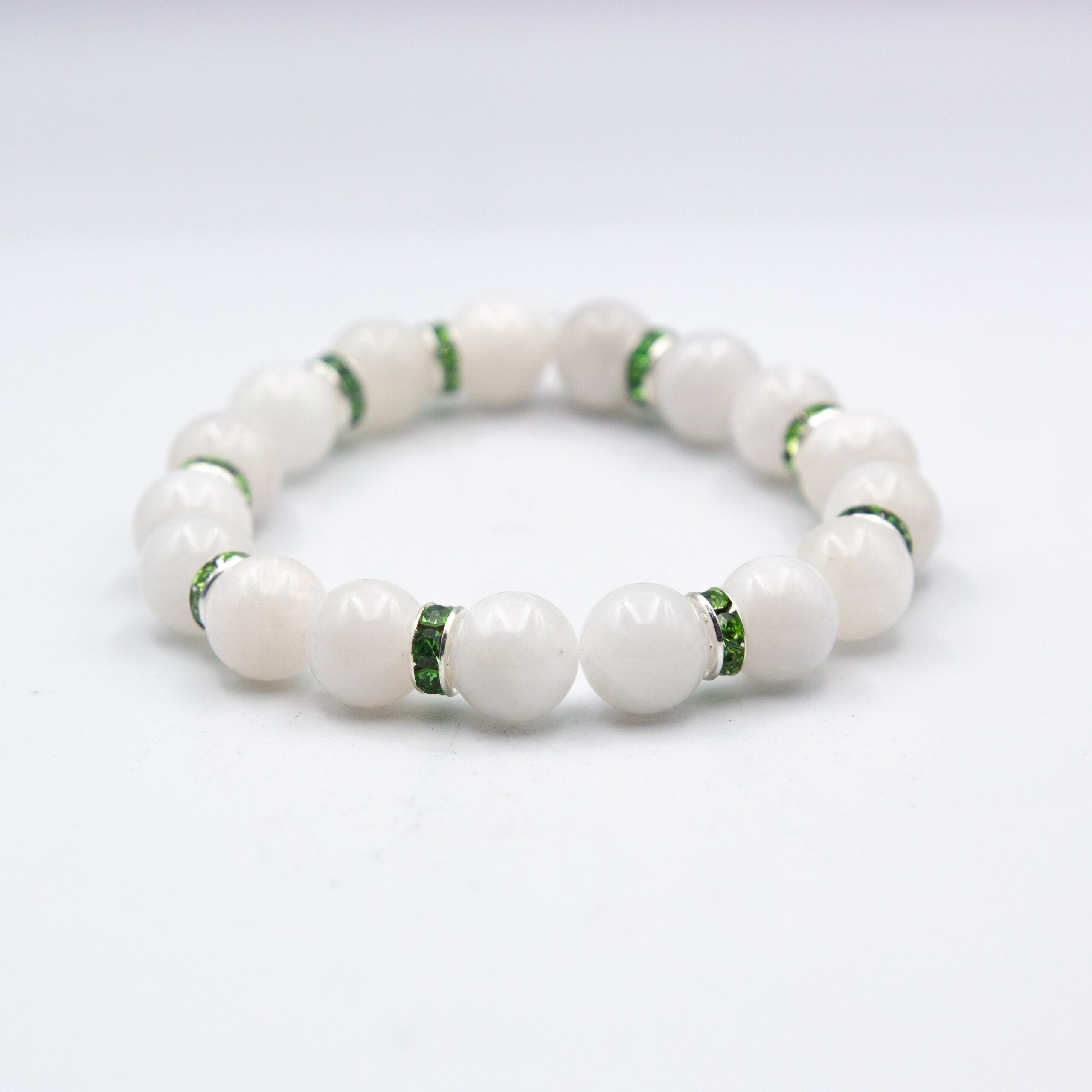
Step 1: Check the Moon Phase and the Weather
Look up the date of the next full moon using any moon-phase app or calendar. Most people charge on the night of the full moon or the night either side of it. Then check the forecast: rain, high humidity, dust, or strong wind all point toward charging indoors on a windowsill rather than outside.
Step 2: Sort Your Crystals
Before anything goes near a window or outdoors, sort your crystals into three groups using the chart further down: stones that are fine anywhere, stones that must stay dry and indoors, and stones that must be brought in before sunrise. This thirty-second step prevents almost every moon-charging mishap.
Step 3: Cleanse First (With a Stone-Safe Method)
Many practitioners cleanse before charging, treating it like wiping a surface clean before setting something new on it. Choose a method that suits each stone. Sound from a singing bowl, incense smoke, or resting stones on a larger clear quartz piece are safe for any crystal. A brief rinse under running water is fine for hard stones like quartz, but not for the water-sensitive stones listed below. Dry everything completely afterward.
Step 4: Set an Intention
Hold each crystal - or the whole group - for a moment and think about, or say aloud, what you'd like it to support over the coming month. Keep it short and specific. For many people this is the heart of the whole ritual, and it's what turns a practical routine into a meaningful one.
Step 5: Lay Them Out in a Single Layer
Place the crystals on a clean, dry cloth, tray, or dish, spread out so none are stacked or touching. Keeping them apart also prevents harder stones from scratching softer ones. Choose a spot where the moon will be visible for at least part of the night - moonlight moves across the sky, so a window facing east, south, or west often works best.
Step 6: Leave Them Overnight
Leave the crystals in place through the night. There's no exact number of hours required; traditionally, being out across the peak of the night is considered enough.
Step 7: Bring Them In Before Sunrise
This is the step people skip, and it's the one that protects your stones. Set a reminder for shortly before dawn - or simply collect them first thing when you wake, before the sun hits the window directly. For anything outdoors, check for dew and dry each piece gently with a soft cloth.
Which Moon Phase to Use
The full moon is the most popular choice by far, traditionally considered the peak of lunar energy and a natural moment for renewal and gratitude. But different phases carry their own traditional associations, and some people match the phase to their intention.
New moon - associated with beginnings and setting fresh intentions. There's little or no visible moonlight, so this is more about timing and intention than light.
Waxing moon (growing toward full) - associated with building, growth, and drawing things in.
Full moon - associated with completion, clarity, and the strongest charge. The most common choice for charging.
Waning moon (shrinking after full) - associated with release, letting go, and clearing out. Some people prefer this phase specifically for cleansing.
If you miss the full moon, there's no need to wait a month. Within the tradition, the nights either side of the full moon are considered nearly as good, and many people charge whenever they feel their stones need it.
Outside, Windowsill or Behind Glass?
Many people assume crystals must be outdoors under an open sky. That isn't necessary, and for many stones it's the riskier choice.
Indoors on a Windowsill
The safest and most practical option for almost everyone. No dew, no rain, no dust, no wildlife, and no risk of forgetting them outside. Glass does block some light, but as covered above, the physical light isn't what the practice depends on. Most practitioners regard the moon's presence and your intention as what matters, and treat a windowsill as fully valid. The one thing to watch is morning sun: collect the stones before direct sunlight reaches the sill.
Outside on a Balcony or in a Garden
Suitable for hard, water-tolerant stones on a clear, dry night. Place them on a tray rather than bare ground, keep them away from sprinklers and plant pots that will be watered, and bring them in before dawn. On humid nights, assume there will be dew.
In a Covered Glass Container Outside
A useful compromise if you want them outdoors: a clear glass jar or covered glass dish keeps off dew and dust while still sitting under the sky. Make sure the stones and container are dry when you seal them, and still bring them in before sunrise - a sealed jar in the morning sun heats up quickly.
Which Crystals You Shouldn't Charge in Moonlight
With the real risks understood, the question "which crystals can't be charged in moonlight?" becomes much clearer. The answer is: almost any crystal can be charged by moonlight, but these groups shouldn't be left outdoors, left in water, or left out past sunrise.
Water-Sensitive Stones: Keep Them Indoors and Dry
These stones can be damaged by dew, rain, humidity, or soaking. Charge them only indoors, on a dry surface, and never in moon water.
Selenite - a very soft form of gypsum that is slightly water-soluble. Moisture can dull, pit, or erode its surface over time.
Halite - rock salt. It dissolves in water, so even heavy dew can damage it.
Malachite - soft, porous, and copper-bearing. Moisture and especially salt water can dull its polish.
Lapis lazuli - porous and relatively soft. Moisture can affect its surface and colour over time; we cover its care in our lapis lazuli guide.
Turquoise - porous; water, oils, and chemicals can change its colour.
Pyrite - an iron sulphide that can tarnish or oxidise when exposed to moisture.
Angelite and celestite - soft and delicate; angelite in particular reacts with water over time.
Calcite - soft and easily scratched; avoid prolonged moisture.
Sun-Sensitive Stones: Bring Them In Before Dawn
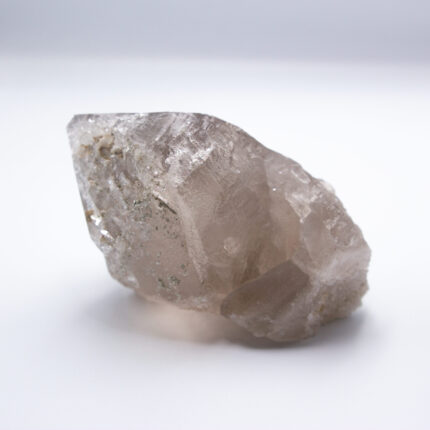
These stones are completely safe under the moon but can gradually fade with repeated exposure to strong sunlight. The danger is forgetting them until mid-morning.
Amethyst - can pale with prolonged sun exposure.
Rose quartz - its soft pink can fade over time in bright light.
Citrine - natural citrine in particular can fade with long sun exposure.
Smoky quartz - can lighten gradually with prolonged strong light, as covered in our smoky quartz guide.
Fluorite, kunzite, and celestite - known for colour that can fade in strong light.
Aventurine and turquoise - colour can shift or fade with long exposure.
Stones That Are Generally Fine Anywhere
Hard, non-porous stones handle an outdoor night well, as long as they're dried afterward: clear quartz, black tourmaline, tiger's eye, obsidian, jasper, agate, carnelian, and labradorite. Moonstone is fine outdoors on a dry night too, though as a softer stone with perfect cleavage it's best kept away from hard surfaces and long soaks.
Moonlight Charging Safety Chart
Use this chart when sorting your crystals in Step 2. "Windowsill" assumes you collect them before direct morning sun.
| Crystal | Windowsill | Outdoors | Moon Water | Main Risk |
|---|---|---|---|---|
| Clear Quartz | Yes | Yes | Yes | Very few |
| Black Tourmaline | Yes | Yes | Brief only | Dry thoroughly |
| Tiger's Eye | Yes | Yes | Brief only | Dry thoroughly |
| Obsidian | Yes | Yes | Yes | Chipping on hard surfaces |
| Labradorite | Yes | Yes | Brief only | Dry thoroughly |
| Moonstone | Yes | Dry nights | Avoid soaking | Knocks, long soaks |
| Amethyst | Yes | Yes | Yes | Morning sun |
| Rose Quartz | Yes | Yes | Yes | Morning sun |
| Citrine | Yes | Yes | Yes | Morning sun |
| Smoky Quartz | Yes | Yes | Yes | Morning sun |
| Fluorite | Yes | Dry nights | Avoid | Sun, scratches |
| Lapis Lazuli | Yes | Avoid | Avoid | Moisture |
| Turquoise | Yes | Avoid | Avoid | Moisture, sun |
| Malachite | Yes | Avoid | Avoid | Moisture |
| Pyrite | Yes | Avoid | Avoid | Moisture |
| Selenite | Yes | Avoid | Never | Moisture |
| Halite | Yes | Avoid | Never | Dissolves in water |
If you're unsure about a stone that isn't listed, treat it as delicate: windowsill only, completely dry, and in before sunrise. That approach is safe for every crystal.
Moon Water: The Method That Causes Most Damage
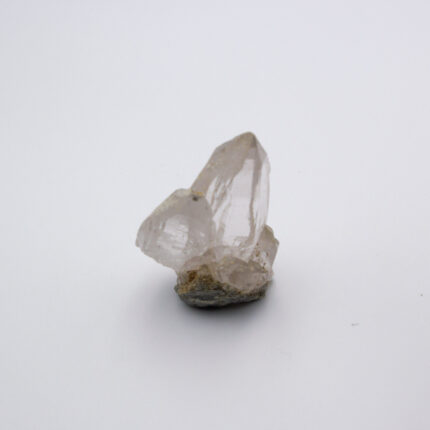
Moon water - a bowl or jar of water left under the moon, sometimes with crystals placed inside - is a popular variation. It's also responsible for more crystal damage than any other moon ritual, because it combines hours of submersion with an outdoor setting.
If you'd like to make moon water, the safest approach is to keep the crystals out of it. Place your stones around the jar or beside the bowl rather than in the water. If you do want a stone in the water, choose only hard, non-porous crystals from the "fine anywhere" group - clear quartz is the classic choice - and remove it in the morning.
Avoid adding salt to moon water that will touch any crystal other than hard quartz. Salt is abrasive, can leave residue in cracks and drill holes, and is especially hard on soft stones and metal settings. And if you intend to drink moon water, never put crystals in it. Some minerals contain elements that shouldn't be ingested, and many crystals are treated or dyed. Using an indirect method - crystal outside the glass - removes that concern entirely.
Charging Bracelets, Pendants and Tasbih
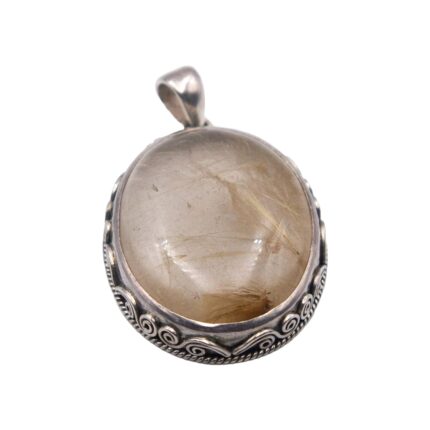
Crystal jewellery needs one extra consideration: the stone may be fine, but the setting or cord may not be.
Elastic bracelets. Dew and humidity soak into stretch cord and shorten its life - one of the reasons covered in our guide to why crystal bracelets break. Charge bracelets indoors on a windowsill, laid flat rather than stretched over anything.
Silver pendants and rings. Sterling silver tarnishes faster with moisture and humidity. Keep silver-set pieces indoors and dry, and never put them in moon water or salt.
Tasbih and prayer beads. These are usually strung on thread with a tassel, both of which absorb moisture. If you choose to include prayer beads, a dry indoor windowsill is the right place. Many people prefer to keep their tasbih separate from crystal rituals altogether, which is a completely personal choice.
Moonlight Charging in the UAE Climate
Most moon-charging guides are written for cool, temperate climates. In the UAE, a few local conditions change the advice.
Humidity and dew are the biggest factor. Coastal areas can be very humid at night, and heavy dew on balconies and garden furniture is common, especially in the cooler months. That makes outdoor charging riskier here than many guides suggest. For anything other than hard quartz-family stones, the windowsill is the better choice for most of the year.
Sunrise is early and strong. For much of the year the sun rises early and becomes intense quickly. A crystal left on an east-facing ledge can get strong direct sun within minutes of dawn - so collect sun-sensitive stones before you go to bed if you're not an early riser, or use a window that doesn't get morning sun.
Dust and sand. Fine dust settles on outdoor surfaces overnight and can scratch polished stones when you pick them up or wipe them. If crystals have been outside, rinse hard stones gently or brush softer ones with a dry, soft brush before wiping.
Summer nights stay hot. Even overnight, outdoor surfaces can stay warm in summer and heat up fast after sunrise. Heat is hard on elastic bracelet cord and can stress some stones with internal fractures, which is one more reason indoor charging suits UAE summers.
Safe Alternatives for Delicate Stones

If a stone shouldn't go outside, it still has plenty of options - and these methods are safe for every crystal, including the most delicate.
Windowsill moonlight. The simplest alternative is simply to keep the moon ritual indoors, dry, and collected before sunrise. For most delicate stones, this is all you need.
Sound. A singing bowl, bell, or chime rung near your crystals involves no contact, water, or light at all. Many people use a Himalayan singing bowl for exactly this.
Resting on quartz. Placing a small stone on a larger clear quartz point or cluster is a traditional method for charging that's completely dry and gentle.
Smoke. Passing a crystal through incense smoke is another contact-free method, used in many traditions.
Intention alone. Many practitioners simply hold a stone, breathe slowly, and set their intention. It requires no tools and carries no risk to the stone.
Common Mistakes
Forgetting them until midday. The number one cause of faded amethyst and rose quartz. Set a reminder.
Putting everything in moon water. Only hard, non-porous stones belong in water. Most collections are safer charged dry.
Piling stones together. Stacked crystals scratch each other. Lay them out in one layer.
Charging on a rainy or humid night outdoors. Move the ritual to the windowsill instead - many practitioners consider it just as valid.
Adding salt to everything. Salt is harsh on soft stones, porous stones, and metal settings. Skip it unless the stone is hard quartz.
Not drying them afterward. Even hard stones should be dried before storage, especially jewellery with cord or silver.
Believing the moon damaged them. If a stone changed after a moon night, look for the real culprit - moisture, sun, salt, or heat - so you can avoid it next time.
Crystals That Suit a Moon Ritual
If you're building a small collection for monthly moon rituals, a few of our pieces are particularly well suited. Our moonstone bracelet is the natural choice given its long lunar association - read more in our moonstone meaning guide. For hard, low-maintenance stones that tolerate almost any method, our black tourmaline bracelet and tiger's eye bracelet are good options. Our raw Ganesh Himal smoky quartz works well on a windowsill - just collect it before the morning sun.
Not sure if your crystal can go outside?
Send us a photo or the stone's name, and we'll tell you the safest way to charge it.
Questions People Ask
How do you charge crystals in moonlight?
Cleanse them with a stone-safe method, set an intention, then lay them in a single layer on a windowsill or dry outdoor surface where moonlight reaches them. Leave them overnight, ideally around the full moon, and bring them in before sunrise.
Which crystals cannot be charged in moonlight?
Moonlight itself is too faint to harm crystals. The stones to protect are water-sensitive ones - selenite, halite, malachite, lapis lazuli, turquoise, pyrite, angelite - which should stay indoors and dry, and sun-sensitive ones like amethyst, rose quartz, citrine, smoky quartz, and fluorite, which should come in before sunrise.
Can moonlight fade crystals?
Not meaningfully. Moonlight is reflected sunlight, commonly estimated at roughly 400,000 times dimmer than direct sun. Fading happens when stones are left out into the morning sun, not from the moon itself.
Do crystals have to be outside to charge in moonlight?
No. A windowsill works well and is safer for most stones, since it avoids dew, rain, dust, and forgetting them outdoors. Most practitioners consider indoor moon charging fully valid.
How long should I leave crystals in moonlight?
Overnight is the traditional approach, with no fixed number of hours required. Just collect them before direct sunlight reaches them in the morning.
Can I charge crystals if it's cloudy?
Yes. In crystal tradition, the moon's phase and your intention matter more than a clear view of it. On cloudy or rainy nights, simply keep your crystals indoors on a windowsill.
Is moon water safe for all crystals?
No. Only hard, non-porous stones such as clear quartz should go in water. The safest method is to place crystals beside the jar rather than in it, and never put crystals in water you plan to drink.
Can I charge crystal bracelets in moonlight?
Yes, but indoors and dry. Moisture weakens elastic cord and tarnishes silver settings, so lay bracelets and pendants flat on a windowsill rather than outdoors or in water.