

Antique & Handcrafted Nepali Decor: A Buyer's Guide
The history behind these pieces, how to tell genuine craftsmanship from a factory imitation, and why buying locally in the UAE beats importing directly.
Search for "Nepali handicrafts" and you'll mostly find two kinds of results: large export-focused sites shipping from Nepal directly, built around volume and worldwide reach rather than any real local relationship with a buyer, or generic "UAE handicrafts" content that's actually about Emirati crafts and doesn't touch Nepali work at all. There's remarkably little written specifically for someone in the UAE trying to buy a genuine, well-made piece of Nepali decor without the wait, uncertainty, and customs friction that comes with ordering internationally.
This is that guide — the actual history behind this craft tradition, what separates a genuine handcrafted piece from a mass-produced imitation, and why buying from a UAE-based seller with an existing relationship to Nepalese artisans is a meaningfully better experience than ordering directly from overseas.
Where This Craft Tradition Actually Comes From
Nepali metalwork, stone carving, and religious craft trace back centuries, with some of the most significant developments occurring during the Licchhavi period, roughly the 4th to 9th centuries, and continuing through the Malla period that followed, when the Kathmandu Valley's three great royal cities — Kathmandu, Patan, and Bhaktapur — each competed to build increasingly elaborate temples, palaces, and public squares. The wood carving, metal statuary, and architectural ornamentation from this era, much of it still standing in the Valley's Durbar Squares today, established techniques and artistic conventions that Nepali artisans still draw on directly.
The Newar community specifically has been central to this tradition for centuries, historically organized into specialized artisan castes and guilds focused on particular crafts — metal casting, wood carving, thangka painting, and fine silverwork among them. This wasn't a casual hobby craft; it was a structured, generational trade, with specific techniques and family knowledge passed down rather than taught in any general or standardized way. A significant amount of skilled Nepali craftsmanship today, including much of what reaches the UAE market, still traces back through this same Newar artisan lineage, particularly in and around the Kathmandu Valley.
Buddhist and Hindu religious practice both shaped what these artisans actually produced, since a large share of traditional demand came from temples, monasteries, and religious households rather than a decorative retail market. Ritual bowls, deity statues, prayer implements, and ceremonial vessels were functional religious objects first, decorative pieces second — which is part of why so much of today's Nepali decor still carries genuine religious or spiritual motifs rather than purely ornamental designs invented for a modern market.
A Living Tradition, Not a Museum Piece
It's worth being clear that this isn't a craft tradition frozen in the past — it's still actively practiced today, largely by descendants of the same artisan families and communities that developed these techniques centuries ago. Workshops in and around Patan specifically remain known for fine metal casting and repoussé work, while other pockets of the Valley specialize more heavily in stone carving or filigree. This continuity matters for authenticity specifically: a piece produced today using these techniques isn't an imitation of an old tradition, it's a genuine continuation of one, made by people trained within the same lineage of skill rather than reverse-engineering a historical style from scratch.
How Nepal's Geography Shaped the Craft
The Kathmandu Valley's historical position along trade routes between India and Tibet also played a role in shaping this tradition, since it exposed local artisans to a wide range of artistic influences and materials passing through the region over centuries. Turquoise and coral, both featured prominently in traditional Nepali silverwork, aren't native to Nepal at all — they arrived through trade with Tibet and beyond, and were incorporated into local craft traditions so thoroughly that they're now considered a defining feature of the region's decorative style, rather than an obviously imported influence.
"Antique" vs. "Handcrafted" — What's the Actual Difference
This distinction gets blurred constantly in listings, and it's worth being precise about it before spending real money on either. A genuine antique is an object with real age — decades old at minimum, sometimes considerably older — with its own individual history, wear, and provenance. A handcrafted piece, by contrast, is newly made using traditional techniques and often an antique-inspired design, but it was produced recently rather than possessing genuine age itself.
Neither is inherently better than the other, but they're different products deserving different expectations and different pricing logic. A true antique carries scarcity value tied to its actual history and condition, while a well-made new piece in an antique style is valued for the skill and materials involved in its construction rather than any claim to age. The problem arises when sellers blur this distinction deliberately — describing a newly made, traditionally-styled piece as "antique" to justify a higher price, without the object actually having any real age behind it. If genuine age matters to you specifically, ask directly and expect a specific answer, not just a confident "yes."
The Main Categories You'll Find
Nepali decor spans a genuinely wide range of object types, each with its own techniques and typical price range.
Silver Filigree Vessels and Boxes

Filigree involves twisting fine silver wire into intricate decorative patterns and soldering them into place, often combined with gemstone inlay using turquoise, coral, lapis lazuli, or quartz. Pieces like our Pure Silver Filigree Pot represent the upper end of this category, where the combination of fine metalwork and hand-set stones genuinely takes an artisan a very long time to complete.
Jewelry and Storage Boxes

These combine the filigree and inlay techniques above with actual function, like our Silver Filigree Jewelry Storage Box. They tend to appeal to buyers who want the craftsmanship of this tradition in a piece that also does something practical, rather than one that's purely for display.
Amber and Gemstone Bowls

Amber's warm, honey tone is used across bowls and smaller decorative vessels, sometimes combined with gemstone accents like our Amber Bowl with Gemstone. These tend to be rarer than silver-based pieces, since suitable amber material itself is less commonly available than metal or stone.
Statues and Hand-Carved Figures
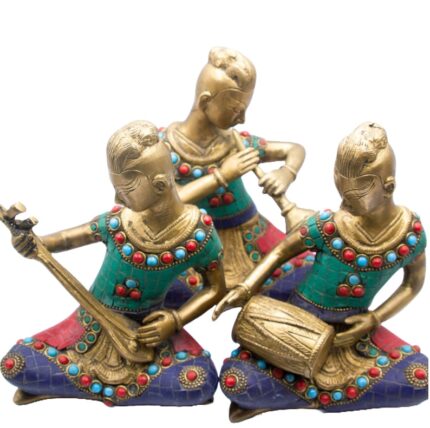
Figures range from cast brass pieces like our Musician Set of Three Statues, depicting traditional folk musicians, to hand-carved stone animals such as our Stone Rhino Set, Pair of Elephant Stones, and Multicolor Horse Handicraft. Human figures, including traditional bridal statues, are also common, often depicting specific cultural or ceremonial scenes rather than generic decorative figures.
Teapots and Ceremonial Vessels

Ornate teapots and kettles, like our Gold Plated Extravaganza Teapot, draw on the same ceremonial serving tradition found throughout Himalayan Buddhist and Hindu practice, generally intended as a statement display piece rather than a functional kitchen item.
Singing Bowls
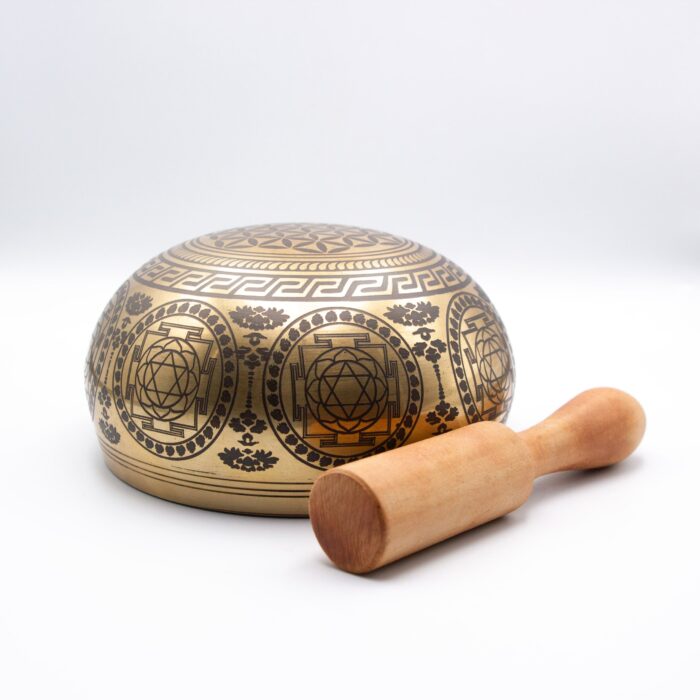
Hand-hammered metal singing bowls, like our Bodhisattva Singing Bowl, sit at the intersection of decor and functional spiritual tool, and we've covered the full craft and buying details separately in our complete singing bowl guide.
The Craftsmanship Behind Each Piece
Understanding the actual techniques helps explain both pricing and what to look for when judging quality.
Lost-Wax Casting
Many statues and figures are produced using lost-wax casting, a technique where a wax model is built, coated in a mold material, then melted out and replaced with molten metal — a process with roots going back centuries in Nepali metalwork specifically. Because the wax model is destroyed in the process, each mold typically produces a limited run rather than an unlimited, identical series, and fine details like facial expression and clothing texture depend heavily on the original wax model's quality.
Hand-Hammered Filigree
Filigree work, discussed above, is entirely manual — wire is shaped, bent, and soldered by hand rather than machine-stamped, which is precisely why larger, more elaborate filigree pieces take so long to complete and cost accordingly more.
Stone Carving
Figures like the rhino, elephant, and horse pieces above are carved from solid stone blocks rather than cast from a mold, meaning each piece is shaped individually by an artisan working with a chisel and file, gradually removing material to reveal the final form. This leaves considerably less room for correction than casting does, and it's part of why hand-carved stone figures show more individual variation than cast metal pieces of a similar subject.
Gemstone Inlay
Rather than gluing stones onto a finished surface, proper inlay work involves carving a precise recess into the metal and fitting the gemstone directly into that space, so the stone becomes structurally part of the piece. This requires the design to be planned before the metalwork is finished, which is part of why inlay-heavy pieces are considerably more labor-intensive than plain metalwork of a similar size.
Tools and Training
Much of this work is still done with relatively simple hand tools — hammers, files, chisels, and soldering equipment — rather than the industrial machinery used in mass manufacturing. What compensates for the simplicity of the tools is years of accumulated skill, typically built through direct apprenticeship under an established artisan rather than formal classroom training. A skilled metalworker or carver often begins learning as a teenager, working alongside a parent or relative already established in the trade, gradually taking on more complex work over years rather than following any fixed curriculum. This apprenticeship-based training is part of why individual artisans, even working within the same broad tradition, often develop a slightly distinct personal style recognizable to those familiar with the craft.
How to Verify Authenticity Before You Buy
A few checks apply across almost every category covered above.
Look for genuine irregularity. Hand-cast, hand-carved, and hand-hammered work should show slight asymmetry and individual character — perfectly identical, machine-uniform pieces sold as "handcrafted" are a contradiction worth questioning.
Ask about the specific technique used. A seller who can describe whether a statue was lost-wax cast, how long a filigree piece took to complete, or where a stone was carved is giving you real, checkable information. A vague "handmade in Nepal" claim with nothing further is a weaker signal, regardless of how confidently it's stated.
Check gemstone inlay for solid setting. Genuine inlay should feel structurally secure, with the stone sitting flush and firmly within a carved recess rather than obviously glued on top of a flat surface.
Be specific about "antique" claims. As covered earlier, if genuine age matters to your purchase, ask directly for an estimated age range and provenance rather than accepting the word "antique" as a stylistic descriptor.
Photographs Are a Signal Too
Sellers photographing the actual piece you'll receive, including close-up shots of any imperfections or natural variation, are generally more trustworthy than listings using a single polished stock photo with no additional angles. For a piece this individual, the absence of genuine, specific photography is itself a small red flag, since a seller proud of the actual object in stock usually has no reason to hide behind generic imagery.
Weight Is a Simple Physical Check
For metal pieces specifically, weight is a reasonably reliable indicator of genuine solid casting versus a hollow or lower-quality alternative. A statue or vessel that feels suspiciously light for its visual size is worth questioning, since genuine cast metalwork, particularly in brass or bronze, carries real heft that's difficult to fake convincingly.
Buying Locally in the UAE vs. Importing Directly From Nepal
Several established Nepal-based sellers ship worldwide, and it's worth being honest about the actual tradeoffs involved in ordering from one of them versus buying through a UAE-based seller with an existing supply relationship.
Delivery Time and Certainty
Ordering directly from Nepal typically means international shipping measured in weeks rather than days, plus the general uncertainty that comes with any long-distance international parcel — customs processing, carrier handoffs, and the possibility of delay at any stage along the way. Buying from a UAE-based seller who already holds stock locally means delivery within a day or two across Dubai, Abu Dhabi, Sharjah, and the rest of the country, with none of that international shipping uncertainty.
Customs and Import Complications
International orders can also mean unexpected customs duties or import paperwork landing on the buyer rather than being handled upfront, something that rarely gets mentioned clearly at checkout on an overseas site. A locally held piece, already imported and cleared, avoids this entirely.
Ability to Ask Specific Questions and Get a Fast Answer
A UAE-based seller working with a smaller number of known artisan relationships can typically answer specific sourcing questions quickly, in your own time zone, rather than routing through a support queue on the other side of the world with a significant time difference to navigate.
Returns and After-Sales Support
If a piece arrives damaged or isn't as described, resolving that with a local seller is considerably more straightforward than coordinating a return shipment internationally, which can end up costing more than the original item once return freight and any customs implications are factored in.
Quality Control Before It Ever Reaches You
A UAE-based seller holding physical stock locally has typically already inspected each piece on arrival, catching any shipping damage or quality issues before it's ever listed for sale. Ordering directly from an overseas workshop means the first quality check often happens after the piece has already traveled internationally and arrived at your door, leaving considerably less recourse if something isn't right by the time you notice.
Seeing the Bigger Picture, Not Just One Listing
Working with a local seller who maintains an ongoing relationship with specific artisan workshops also means access to a curated selection built over time, rather than a single overseas catalog with no particular oversight on which pieces actually represent that workshop's best work. This isn't a guarantee in itself, but it does mean a seller's reputation is tied to consistent quality across many pieces, rather than a single anonymous transaction.
None of this means every Nepal-based exporter is unreliable — several are entirely legitimate, established businesses. It's simply a genuinely different buying experience, and worth weighing consciously rather than assuming international sourcing is automatically the better or more "authentic" route just because the seller is physically closer to where the pieces are made.
What Actually Drives Price
Price in this category tracks labor and material far more directly than it does in most retail goods. A simple stone-carved figure might sit in the AED 500 to 700 range, reflecting the carving time involved but a relatively modest material cost. A jewelry box or bowl combining silver filigree with gemstone inlay climbs into the low thousands, since both the metalwork and the stone-setting are separately labor-intensive. The most elaborate filigree pieces, combining fine wirework with multiple gemstone varieties across a larger surface area, can run into five figures, reflecting what can genuinely be weeks of dedicated, skilled labor on a single object.
A price that seems dramatically low for a piece described as extensively hand-worked is worth questioning rather than treating as a bargain — genuine craftsmanship at this level simply doesn't come cheaply, regardless of where in the world it's sourced from.
Comparing Prices Fairly
When comparing prices across different sellers, make sure you're actually comparing equivalent pieces — a small, simple stone figure and a large, multi-gemstone filigree pot are not meaningfully comparable even though both might fall under "Nepali decor" in a broad search. Weight, size, material, and the specific technique involved all need to line up before a price difference tells you anything useful about which seller offers better value.
Why Investing in Fewer, Better Pieces Usually Wins
Given how directly price tracks genuine labor in this category, buyers often get more lasting satisfaction from one well-chosen, higher-quality piece than several smaller, cheaper items bought simply to fill space. A single striking statue or filigree bowl, properly sourced and cared for, tends to remain a meaningful part of a home for years, while a handful of lower-cost, less carefully made pieces are more likely to feel disposable and get replaced or discarded over time.
Choosing the Right Piece for Your Space
Scale matters more than people expect. A large, elaborate filigree pot works as a genuine singular focal point but can feel overwhelming in a smaller room without enough surrounding space to let it breathe visually. Smaller pieces — a bowl, a modest statue — suit a shelf or console table and work well grouped together thematically, such as several animal figures displayed as a set.
Consider your existing color palette too. Silver-toned filigree pieces suit cooler, more minimalist interiors, while gold-plated and amber pieces complement warmer, richer color schemes. And think about whether you want a functional piece, like a jewelry box, or something purely decorative, like a statue or ceremonial teapot — both are equally legitimate choices, but they serve different roles in a room.
Lighting Changes Everything
Silver filigree and gemstone inlay both respond dramatically to lighting — the fine detail and stone color that make these pieces worth the investment are largely lost in a dim corner, while the same piece under warm, directional light can become the genuine centerpiece of a room. It's worth thinking about where a piece will actually sit in relation to your existing lighting before committing, rather than choosing based purely on product photography taken under studio conditions you may not be able to replicate at home.
Grouping Smaller Pieces for More Impact
Individual smaller pieces, such as the stone-carved animal figures covered earlier, often make more visual impact grouped together thematically than displayed alone — several animal figures on a single shelf create a cohesive collection rather than a scattered assortment of unrelated objects. This is also a practical way to build toward a more elaborate display gradually, adding pieces over time rather than needing to commit to a single large statement item immediately.
Caring for and Preserving These Pieces
Dust regularly with a soft, dry cloth, and avoid abrasive or chemical silver cleaners on filigree work, since these can affect fine detailing and any gemstone inlay. Keep pieces away from direct, intense sunlight for extended periods, since certain gemstones used in inlay work — turquoise and amber among them — can fade or discolor with prolonged UV exposure. Handle filigree pieces by their base rather than any decorative element, since fine wirework is more delicate than solid metal. And if a piece isn't on permanent display, store it in a padded box or soft cloth rather than loose alongside other objects, to avoid scratching or tarnishing between uses.
Addressing Tarnish Without Damaging Detail
Silver naturally tarnishes with air exposure over time, developing a darker patina that some owners actually prefer as a sign of an object's age and character rather than something to remove entirely. If you do want to address tarnish, a dedicated silver polishing cloth used gently, avoiding direct contact with any gemstone inlay, is safer than a liquid dip cleaner, which can seep into fine crevices and affect stones set nearby.
When to Involve a Professional
For a particularly valuable or delicate piece showing significant wear, or if a filigree wire has broken, consulting a professional familiar with fine metalwork restoration is a safer route than attempting a repair yourself. Resoldering broken filigree invisibly requires specialized tools and experience that a well-meaning home repair attempt is unlikely to match, and a poor repair can reduce a piece's value more than the original damage did.
Buying as a Gift
Pieces from this category make distinctive gifts for housewarmings, weddings, and milestone occasions specifically because they're rarely duplicated — a handcrafted statue or filigree box reads as considered and personal in a way a mass-produced gift simply can't. A bridal statue makes particular sense as a wedding gift given its direct thematic connection, while a smaller stone figure or bowl suits a housewarming without requiring the larger budget of a statement filigree piece.
Have a question about a specific piece?
Many of these items are one-of-a-kind or limited in quantity. Message us on WhatsApp for current availability, additional photos, or sourcing details before you buy.
Questions People Ask
What's the difference between "antique" and "handcrafted" Nepali decor?
A genuine antique has real age and individual history, while a handcrafted piece is newly made using traditional techniques, often in an antique-inspired style, without the object itself being old.
Is it better to buy Nepali decor from a UAE seller or import it directly from Nepal?
Buying from a UAE-based seller generally means faster delivery, no customs uncertainty, and easier returns or support, while importing directly may occasionally offer a wider selection at the cost of longer wait times and added complexity.
Why does hand-hammered silver filigree cost so much more than other metalwork?
Filigree involves shaping and soldering fine wire entirely by hand, a process that can take an artisan days to complete on a single piece, unlike machine-stamped decoration which takes a fraction of the time.
How can I tell if a statue is genuinely hand-cast rather than mass-produced?
Look for slight asymmetry and individual character rather than perfect uniformity, and ask the seller specifically about the casting technique used, such as lost-wax casting, rather than accepting a vague handmade claim.
Where can I buy authentic Nepali antique and handcrafted decor in the UAE?
You can browse our full Home Decor collection, sourced through direct artisan relationships in Nepal, with delivery across Dubai, Abu Dhabi, Sharjah, and the wider UAE.
Is tarnish on silver filigree a sign of poor quality?
No, tarnish is a natural result of silver's exposure to air over time, and some owners prefer the resulting patina as a sign of character. It can be gently addressed with a silver polishing cloth if a brighter finish is preferred.
Should I repair a damaged filigree piece myself?
It's generally safer to consult a professional familiar with fine metalwork restoration, since resoldering broken filigree invisibly requires specialized tools and experience that a home repair attempt is unlikely to match.
Ready to explore the collection? Browse our full Home Decor range, or message us on WhatsApp for details on any specific piece.