

Best Singing Bowl: The Complete Guide to Tibetan & Himalayan Sound Bowls
What actually makes one singing bowl better than another, how they differ from crystal sound bowls, and our current picks worth considering.
"Best singing bowl" is a genuinely tricky thing to search for, because the answer depends heavily on what you actually mean by it — a hand-hammered Himalayan bowl and a fused quartz "crystal singing bowl" are both marketed under overlapping language, cost completely different amounts, and sound nothing alike. Add in the fact that "Tibetan bowls," "sound bowls," and "meditation bowls" all get used more or less interchangeably online, and it's easy to end up comparing products that aren't actually the same thing.
This is the sorted-out version — what each term actually refers to, what genuinely separates a good bowl from a mediocre one, and a look at some real options currently available if you're ready to buy. We'll also get into how these things actually work, what the research does and doesn't support, and enough on chakra pairing and daily practice that you can start using one properly the same day it arrives.
What Actually Makes a Singing Bowl "The Best"
Before getting into specific products, it's worth being clear about what "best" should actually mean here, because it's not the same for everyone. A few factors genuinely separate a good singing bowl from a mediocre one, regardless of price point.
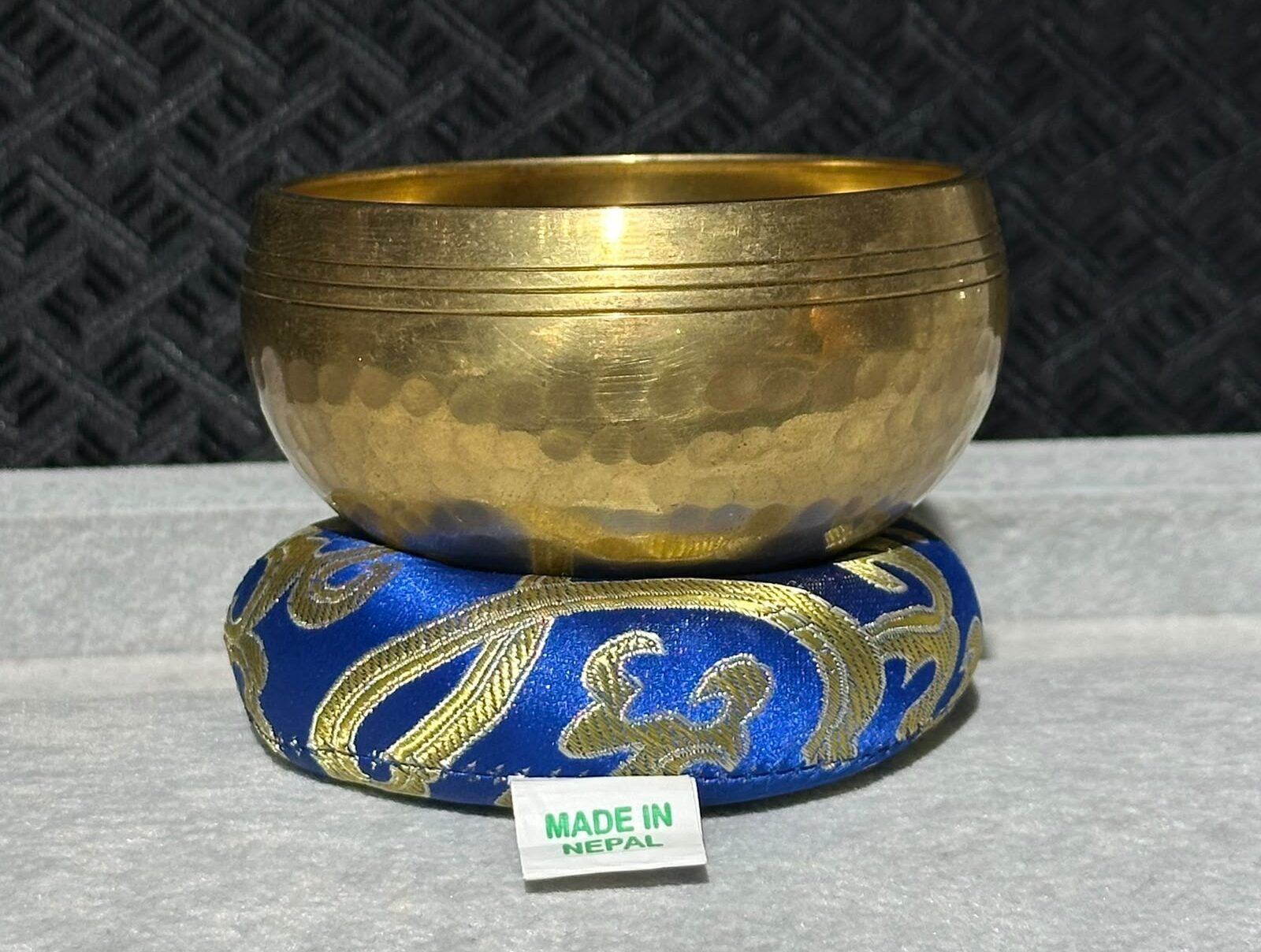
Construction method matters more than almost anything else. A genuinely hand-hammered bowl, shaped gradually by an artisan over hours or days, produces a richer, more layered tone than a machine-stamped or cast alternative, because the slight structural irregularities created by hand-hammering allow different parts of the metal to vibrate at slightly different frequencies at once — that's the actual physical basis for the "singing" effect the whole category is named for.
Weight and size affect tone directly. Heavier, larger bowls generally produce deeper, longer-sustaining tones, while smaller, lighter bowls ring brighter and fade faster. Neither is objectively better — it depends on whether you want a deep, room-filling hum or a quick, bright tone for shorter sessions.
Metal composition plays a role too. Traditional bowls are made from a blend sometimes called the seven sacred metals — typically copper, tin, and iron in varying ratios, occasionally with small amounts of other metals. The specific blend affects both durability and tonal character, though this is harder to verify from a listing alone than weight or construction method.
Included accessories — a proper wooden striker, sometimes a silk cushion — indicate a seller who's thought about the full experience of using the bowl, not just the object itself. It's a small detail, but it's usually a reasonable proxy for how seriously a seller takes the rest of what they're selling.
Price relative to weight and craftsmanship rounds this out. Within genuine hand-hammered bowls, price generally scales with size and the complexity of any internal painting or engraving, rather than following a fixed formula. A small, simple bowl costing considerably more than a larger, more detailed one from the same category of seller is worth a second look, since it suggests the pricing isn't tracking the actual labor and material involved.
Why "Best" Doesn't Mean the Same Bowl for Everyone
It's worth saying directly: there isn't a single best singing bowl in any absolute sense, only the best bowl for a specific use. Someone building a professional sound bath practice for groups has completely different priorities — multiple bowls in different sizes and tones, built for volume and projection — than someone wanting a single, quiet companion for ten minutes of personal meditation each morning. Keeping your own actual use case in mind matters more than chasing whichever bowl gets called "the best" in a generic list, this one included.
Himalayan and Tibetan Singing Bowls Explained
These two terms get used almost interchangeably, and for practical purposes, that's fine — both refer to the same broad tradition of hand-hammered metal bowls originating from the Himalayan region spanning Nepal and Tibet. If there's a distinction worth drawing, it's regional rather than functional: "Tibetan" sometimes points more specifically toward the religious and monastic tradition of using these bowls in Buddhist practice, while "Himalayan" is the broader geographic term covering production across the wider mountain range, including Nepal, where a significant amount of hand-hammering happens today.
In practice, when a listing says "Tibetan singing bowl" or "Himalayan singing bowl," it's almost always describing the same category of product — a hand-hammered or, less desirably, machine-made metal bowl designed to be played by striking or circling the rim with a mallet.
Where the Tradition Actually Comes From
The use of metal bowls in Himalayan ceremonial and religious life predates the modern wellness market by a long stretch — these instruments were, and still are, used to mark the beginning and end of meditation sessions, accompany chanting, and create a specific sacred atmosphere during prayer, long before "sound healing" became a phrase used outside monasteries and temples. That context matters for understanding why the craft has survived largely unchanged: it wasn't developed for a commercial market, and the hand-hammering techniques used by artisans today are, in most cases, genuinely the same ones used generations ago, passed on through direct apprenticeship rather than formal industrial training.
Nepal's Role in Today's Market
A significant amount of current production, including everything in our own range, happens in Nepal specifically, where singing bowl craftsmanship has developed into something close to a specialized regional industry, while still relying on individual artisans rather than large factories for the actual hammering and finishing work. This is worth knowing if sourcing matters to you — a bowl genuinely hand-hammered in Nepal is a meaningfully different product from one stamped out in a factory elsewhere and marketed with similar language.
Crystal Singing Bowls vs. Himalayan Metal Bowls
This is the distinction that actually matters most if you're comparing options across the wider market, and it's worth being straightforward about it. A crystal singing bowl — sometimes called a crystal sound bowl or quartz singing bowl — is an entirely different product from a Himalayan metal bowl. It's manufactured from very pure quartz sand, fired at extremely high temperatures until it fuses into a solid, frosted-looking bowl shape, tuned to a specific musical note. This is a modern manufacturing process, generally only a few decades old, quite different from the centuries-old hand-hammering tradition behind Himalayan metal bowls.
Neither is more "real" than the other — both are genuine, purpose-built sound instruments — but they produce noticeably different sound characters. Crystal bowls tend toward a purer, more sustained, almost ethereal tone at a specific pitch, popular in larger sound bath settings where multiple bowls are played together in specific musical keys. Himalayan metal bowls produce that denser, layered, multi-tonal hum most people picture when they think of a "singing bowl" in the traditional sense, and tend to suit personal meditation and smaller settings particularly well.
Why the Manufacturing Difference Matters for Price
Crystal singing bowls require industrial furnace equipment capable of reaching the extreme temperatures needed to fuse quartz sand, along with precision tuning to a specific musical note during production — a process that generally makes them considerably more expensive than a comparably sized metal bowl, particularly for larger diameters. Himalayan metal bowls, while genuinely labor-intensive in their own right through hand-hammering, don't require anything close to that level of specialized industrial equipment, which is part of why they remain the more accessible entry point into this whole category for most buyers.
Which One Actually Suits You
If you're drawn to the idea of a longer, purer sustained tone, or you're building toward playing multiple bowls together in a specific musical arrangement, a crystal bowl is worth researching specifically, even though it's not what we carry. If you want the denser, more textured hum traditionally associated with meditation, chakra work, and the centuries-old craft behind it, a genuine hand-hammered Himalayan bowl is the more natural fit, and the more affordable one to start with regardless.
Our own collection focuses specifically on genuine, hand-hammered Himalayan metal bowls rather than crystal sound bowls — if you're specifically searching for a fused quartz crystal bowl, that's a different product category and a different search than what we carry, and it's worth knowing that distinction before comparing prices across listings that might be describing either one.
How Sound Healing Bowls Actually Work
Whichever type you're drawn to, the underlying idea is similar: a played bowl produces sound waves that are absorbed physically as well as heard, given that the human body is largely water and water conducts vibration efficiently. Many people describe genuinely feeling the sound rather than only hearing it, particularly with larger, deeper-toned bowls.
Brainwave Entrainment, in Plain Terms
A concept called brainwave entrainment comes up a lot in explanations of why this works — the idea that external rhythmic stimuli, including sound, can gradually influence the brain's electrical activity to shift toward matching that rhythm. The slow, layered tones of a singing bowl are thought to help guide brain activity from a busier, more alert state toward the slower patterns associated with deep relaxation and meditation, which is part of why sessions often feel noticeably calming within just a few minutes rather than requiring a long warm-up period.
What the Research Actually Shows
A handful of peer-reviewed studies have looked at this more formally in recent years, generally finding measurable reductions in tension and mood improvements following a singing bowl session, alongside some evidence of increased heart rate variability suggesting a genuine parasympathetic, "rest and digest" response. It's worth being honest that this research base is still relatively small and early-stage — most studies involve modest sample sizes, and few include the kind of large, controlled trials that would settle the question definitively. That said, multiple independent studies using different methods have converged on broadly similar findings, which is a meaningful signal even if it isn't yet conclusive proof. We've gone into that research in a lot more depth, including its real limitations, in a separate piece specifically on whether Tibetan singing bowls can actually relieve stress, which is worth a read if the science side of this is what you're most curious about.
Our Top Singing Bowls for Sale Right Now
Here's a real selection currently available, spanning different sizes, designs, and price points.
Bodhisattva Singing Bowl (556g)
AED 399
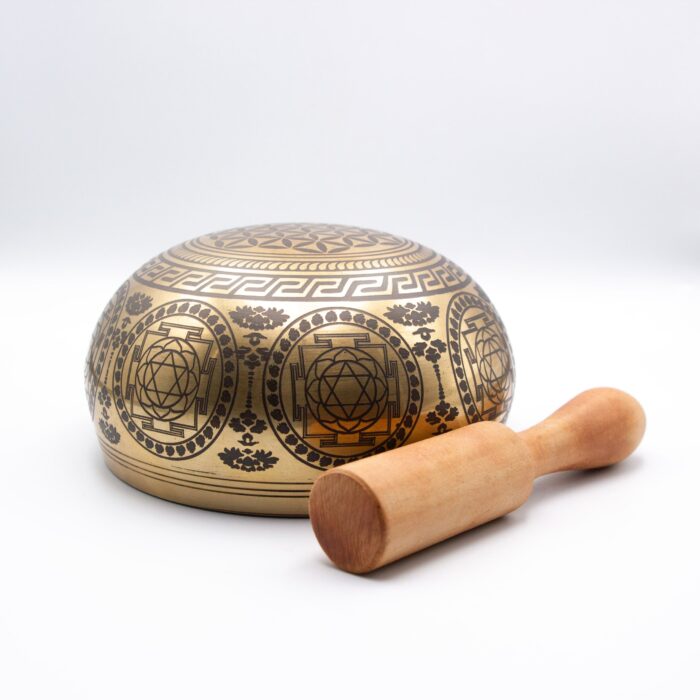
Our largest and most substantial bowl, with a hand-painted Bodhisattva design inside and a genuinely deep, room-filling tone. Crafted in pure brass, ideal if you want depth and sustain over a quick, bright ring.
View Product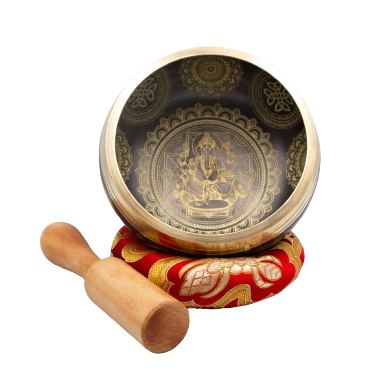
Ganesh Singing Bowl (325g)
AED 399
A mid-weight bowl featuring a Ganesh design, with a wooden striker and silk cushion included — a solid, well-rounded choice for someone starting a regular meditation practice rather than a beginner's toy.
View Product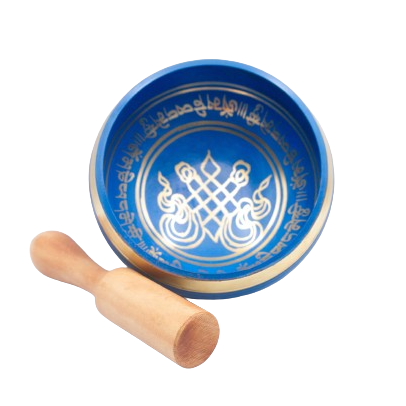
Vibrant Blue Design Bowl (385g)
AED 175
A striking blue-patterned bowl at a genuinely accessible price point, without any real compromise on weight or sound quality — a sensible pick if you want a proper bowl without jumping straight to a statement piece.
View Product
Buddha Singing Bowl, Golden Blue (436g)
AED 300
A heavier bowl with a Buddha motif and a two-tone golden-blue finish, striking the balance between the smaller entry-level bowls and the largest statement pieces in the range.
View Product
Buddha Singing Bowl, Golden Bronze (482g)
AED 350
A warmer bronze finish rather than the brighter golden tones elsewhere in the range, for anyone whose meditation space leans toward earthier, more muted décor.
View Product
Five Buddha Bowl, Blue & Gold (350g)
AED 85
Our most affordable full-size option, featuring a Five Buddha design in blue and gold — a genuinely good entry point if you want to try a real hand-hammered bowl before investing in a larger piece.
View Product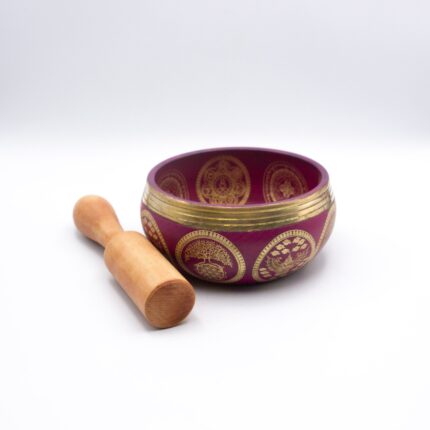
Five Buddha Bowl, Magenta & Gold (350g)
AED 85
Same design and size as the blue version above, in a bolder magenta colorway — worth considering if you want a bowl that doubles as a genuine decorative statement piece.
View Product
Hand-Painted Black Singing Bowl
AED 185
A distinctive matte black finish with hand-painted detailing — genuinely one of the more unusual designs in the range, and a good pick if you want something that doesn't look like the standard golden bowl everyone pictures.
View ProductYou can browse the complete, regularly updated range in our singing bowl collection, including additional sizes and designs beyond what's featured here.
How to Choose the Right Meditation Bowl for You
With that range in mind, here's how to actually narrow it down.
If you're completely new to the practice, a smaller, more affordable bowl in the 300 to 400 gram range — like the Five Buddha or Vibrant Blue designs above — gives you a genuine, well-made instrument without a large upfront commitment. If you're specifically after depth and sustain for a serious daily practice, a heavier bowl in the 480 to 560 gram range, like the Bodhisattva or Buddha Golden Bronze, is worth the extra cost.
The design itself — Bodhisattva, Ganesh, Buddha, Five Buddha — is largely a matter of personal or spiritual resonance rather than affecting the sound in any measurable way, though the hand-painted or engraved motif inside the bowl is part of the craftsmanship you're paying for. Ganesh, for instance, is traditionally associated with removing obstacles, which some buyers specifically want reflected in the piece they meditate with; Buddha and Bodhisattva designs lean more directly into the meditative and Buddhist tradition the whole practice descends from.
Choosing on a Tighter Budget
If cost is the main constraint, it's worth knowing that a smaller, more affordable bowl is not automatically an inferior instrument — it's simply a smaller one. The Five Buddha designs in this range, for instance, are genuinely hand-hammered, full-featured bowls at a fraction of the price of the largest pieces, and they're a perfectly legitimate way to start a real practice rather than a compromise you'll need to replace later.
Choosing as a Gift
Singing bowls make thoughtful gifts specifically because they don't require the recipient to already have an interest in meditation — the instrument itself is beautiful and interesting even before anyone plays it. A mid-weight bowl with a striking design, like the hand-painted black bowl or one of the Buddha designs, tends to work well as a gift precisely because it looks intentional and considered rather than generic, without needing to be the most expensive option in the range.
Singing Bowl Meditation: How to Actually Use One
You don't need training to start, just a few minutes and a basic technique.
- Find a quiet spot and sit comfortably, with the bowl resting on a cushion or the flat of your open palm.
- Warm it up with a gentle tap on the outer rim using the wooden striker, waking the bowl before you begin.
- Circle the rim slowly and steadily with the striker, before the initial tone fades, to build the sustained "singing" hum.
- Breathe with the sound rather than actively trying to relax — most people find the calming effect happens on its own rather than through deliberate effort.
- Let it fade naturally, then sit quietly for a minute or two before moving on with your day.
Variations Worth Trying Once You're Comfortable
Once the basic technique feels natural, a few variations are worth experimenting with. Some people use a single rim tap alone, without circling, as a quick way to mark the start or end of a work session or a shorter mindfulness break during a busy day, rather than committing to a full meditation each time. Others build a longer practice by playing the bowl at intervals throughout a silent sitting session, rather than only at the beginning, using each ring as a gentle anchor to return attention to whenever the mind wanders.
How Long Should a Session Actually Last
There's no fixed rule, and the research on this doesn't point to one ideal duration either — some of the studies referenced earlier used sessions as short as ten minutes, others closer to an hour, with meaningful relaxation responses reported across that whole range. A reasonable starting point is five to ten minutes daily, extending the session naturally once it becomes a comfortable, established habit rather than starting with an ambitious hour-long sit that's hard to sustain.
Sound Bowls and Chakra Work
Some practitioners pair bowl size and tone with specific chakras, on the general principle that larger, deeper-toned bowls suit the lower, more grounding chakras, while smaller, brighter bowls suit the upper, more spiritually-oriented ones. This isn't an exact science — there's no universally agreed frequency chart matching bowl weight to chakra — but as a loose practical guide, many practitioners use their largest bowl for root chakra work and their smallest for crown chakra sessions, moving through progressively smaller bowls as they work upward through the body during a longer session.
A Simple Approach if You Only Own One Bowl
You don't need seven different bowls to do meaningful chakra-focused work. A single mid-weight bowl can be used for a full sequence by adjusting where you focus your attention rather than the sound itself — playing the bowl while bringing awareness to the base of the spine, then moving your attention upward through each energy center in turn as the tone continues to ring out, finishing with a longer, sustained circle at the crown. The bowl provides the sound anchor; your own attention does the rest of the work moving through each stage.
Combining a Bowl With Other Chakra Tools
Many practitioners layer a singing bowl session with crystals placed on the corresponding chakra points, or incorporate it into a broader routine involving specific stones tied to each energy center. Neither is necessary on its own, but combining sound and stone is a common way to build a more complete, multi-sensory chakra practice rather than relying on a single tool alone.
Caring for Your Singing Bowl
A genuine metal singing bowl is fairly durable, but a few habits keep it sounding and looking its best.
Daily Handling
Wipe it with a soft, dry cloth after use rather than leaving fingerprints and dust to build up, and avoid harsh metal polishes, which can affect the surface texture that gives the bowl its tone in the first place. The natural patina that develops on a well-used bowl over time is generally considered part of its character rather than something to aggressively polish away.
Storage Between Sessions
Store it on its included cushion when not in use, both to protect the base and to keep it easily accessible for regular practice — a bowl packed away in a cupboard tends to get used a lot less than one sitting visibly on a shelf. If you're not using your bowl daily, keeping it somewhere free of excess humidity helps slow any tarnishing, particularly in more humid coastal climates.
What to Avoid
Avoid dropping the bowl onto hard surfaces, since a hard enough impact can dent the rim and genuinely affect its tone, unlike a scratch on the surface which is mostly cosmetic. It's also worth keeping the striker itself in reasonable condition — a worn, splintering wooden striker won't produce as clean a tone as a fresh one, and replacements are inexpensive if yours starts showing serious wear after regular use.
What to Look for When Buying
Whether you buy from us or elsewhere, a few checks apply broadly. Ask specifically whether a bowl is hand-hammered or machine-made — a seller who can answer this in detail, rather than a vague "authentic Himalayan" claim, is more trustworthy. Look closely at the surface for irregular hammer marks rather than a perfectly uniform, machine-stamped texture. And if possible, listen before buying, or check whether reviews or a video demonstration are available — a genuine bowl should produce a layered, sustained tone rather than a single flat ring. We've written a full, separate comparison on handmade versus machine-made singing bowls if you want the deeper version of this exact question.
A Few Specific Red Flags
Listings that describe every single bowl in a catalog as "extremely rare" or "ancient antique," regardless of how common the actual design is, tend to be leaning on enthusiasm rather than accuracy. Similarly, a price dramatically lower than every comparable listing for a similarly sized, similarly finished bowl is worth questioning rather than treating as a lucky find — hand-hammering genuinely takes time, and a price that doesn't reflect that labor at all is a reasonable signal to ask more questions before buying.
Not sure which size or design to pick?
Tell us what you're using it for — daily meditation, chakra work, a gift — and we'll point you to the right one rather than the most expensive option.
Questions People Ask
What's the difference between a Tibetan singing bowl and a Himalayan singing bowl?
In practice, the terms are used almost interchangeably to describe the same tradition of hand-hammered metal bowls from the Nepal and Tibet region. "Tibetan" sometimes emphasizes the religious and monastic use specifically, while "Himalayan" is the broader geographic term.
Are crystal singing bowls the same as Himalayan singing bowls?
No. Crystal singing bowls are manufactured from fused quartz and produce a purer, more sustained single tone, while Himalayan bowls are hand-hammered metal alloy producing a denser, more layered sound. They're two genuinely different instruments.
What size singing bowl should a beginner buy?
A mid-range bowl between 300 and 400 grams is generally a good starting point, offering genuine sound quality without the cost of the largest, deepest-toned pieces.
Does the design or deity motif on a singing bowl affect its sound?
No, the internal painted or engraved design is decorative and traditional rather than acoustic. Sound is determined by the bowl's size, weight, thickness, and metal composition.
Where can I buy a genuine singing bowl for sale in the UAE?
You can browse our full Himalayan singing bowl collection, hand-hammered in Nepal, with delivery across Dubai, Abu Dhabi, Sharjah, and the wider UAE.
How long should a singing bowl meditation session last?
There's no fixed rule. Five to ten minutes is a reasonable starting point for daily practice, extending naturally as it becomes a comfortable habit rather than committing to a long session right away.
Can I use one singing bowl for all seven chakras, or do I need seven bowls?
A single bowl works fine. Rather than needing a different bowl for each chakra, you can move your attention through each energy center in turn while the same bowl continues to ring, from the base of the spine up to the crown.
Do singing bowls need to be professionally serviced or retuned?
No. A genuine hand-hammered bowl doesn't require retuning under normal use, though a worn wooden striker is worth replacing periodically to maintain a clean tone.