

Selenite: Meaning, Benefits and the One Rule You Must Never Break
Selenite is one of the most loved crystals in the world, and one of the easiest to ruin. Here's what it means, how people use it, and the simple rule that keeps it beautiful.
Selenite is easy to recognise: milky white, softly glowing, often with a silky sheen that seems to move as you turn it. It's sold as wands, towers, bowls, lamps and the flat "charging plates" you see in so many crystal collections. The selenite meaning most people know is cleansing and calm, and its benefits are usually described in terms of clearing a space and refreshing other crystals. What far fewer people are told when they buy it is that selenite is soft enough to scratch with a fingernail and slowly dissolves in water. That single fact explains almost every ruined piece of selenite out there. This guide covers what selenite really is, where its name and meaning come from, the benefits people traditionally associate with it, how it's used, and how to care for it properly, including what the UAE's humid coastal summers mean for a stone that hates moisture.
Selenite Meaning and Benefits: The Short Answer
Selenite is a clear to milky crystal form of gypsum, a soft mineral made of calcium sulfate and water. Its name comes from the Greek selēnē, the moon, because of its pearly, moonlike glow. In crystal traditions, selenite meaning centres on cleansing, clarity and peace: it's believed to clear stagnant energy from a room, calm the mind, connect to the crown chakra and "recharge" other crystals placed on it. These are spiritual beliefs, not scientifically proven effects. The one rule you must never break is keep selenite dry. It is water-soluble and only about 2 on the Mohs hardness scale, so water, salt-water cleansing, damp cloths left on it, and even long-term humidity can cloud, pit and eventually dissolve it. Clean it with a dry, soft cloth and keep it away from bathrooms, sinks and humid balconies.
The One Rule: Never Get Selenite Wet
Most crystal care advice is about getting things "just right". Selenite's is about one thing above everything else: water.
Why water ruins selenite
Selenite is a variety of gypsum, chemically calcium sulfate dihydrate (CaSO4·2H2O). Unlike quartz, which is essentially insoluble in everyday water, gypsum is slightly soluble. A quick splash won't make it vanish, but every contact with water removes a little material from the surface. The results build up:
- A brief splash or wet cloth can leave the surface cloudy, chalky or dull, losing that glassy glow.
- Repeated wetting softens edges, blurs fine striations and leaves a rough, powdery texture.
- Soaking pits and etches the surface and, over time, can dissolve thin pieces or make fibrous satin spar split and flake along its fibres.
The damage is permanent. A dulled selenite surface can sometimes be improved slightly with careful dry buffing, but you can't "un-dissolve" it.
What "never get it wet" really includes
Most people don't drop selenite in a bowl of water on purpose. The damage usually comes from less obvious routes:
- Salt-water cleansing, a common crystal ritual, which is doubly bad for selenite.
- Moon water or crystal elixirs, where crystals are left in water overnight.
- Wiping with a damp cloth or kitchen spray.
- Bathroom shelves and steam from showers.
- Windowsills with condensation, which in the UAE often forms on the inside of cold, air-conditioned glass on humid mornings.
- Plants nearby, where watering splashes onto a selenite tower or plate.
- Wet hands, for example handling a selenite wand straight after washing.
If selenite does get wet by accident, don't panic and don't rub it. Pat it gently with a dry, soft towel to lift off water, then let it air-dry somewhere dry and shaded. Rubbing wet selenite is what smears and scuffs the softened surface.
What Selenite Actually Is
Understanding the mineral makes all the care advice obvious.
The mineral: gypsum
Gypsum is one of the most common minerals on Earth. It forms mainly where salty water evaporates, in ancient seas, salt flats, lakes and desert basins, leaving calcium sulfate behind to crystallise. Most gypsum is massive and chalky; it's the raw material for plaster and plasterboard. Selenite is the name given to gypsum that has grown as clear to translucent crystals.
The key numbers
| Property | Selenite | What It Means for You |
|---|---|---|
| Mineral | Gypsum (calcium sulfate dihydrate) | Water is part of its crystal structure |
| Hardness | About 2 on the Mohs scale | A fingernail (about 2.5) can scratch it |
| Water | Slightly soluble | Never soak, rinse or salt-cleanse |
| Cleavage | Perfect in one direction | Splits easily; wands can snap if dropped |
| Heat | Loses water at high temperatures | Keep away from heaters, stoves and hot cars |
| Lustre | Glassy to pearly or silky | The "glow" is surface-level and easily dulled |
Famous selenite
Selenite has an unusual history. The Romans used thin, transparent sheets of gypsum, known as lapis specularis, as window panes before glass windows were common. And the most famous selenite on Earth is in the Cave of the Crystals at Naica, Mexico, where single selenite crystals grew to over ten metres long in hot, mineral-rich water. Those giants formed slowly in very stable conditions, which is a good reminder of how sensitive the mineral is to changes in its environment.
Selenite Meaning and Its Moonlit Name
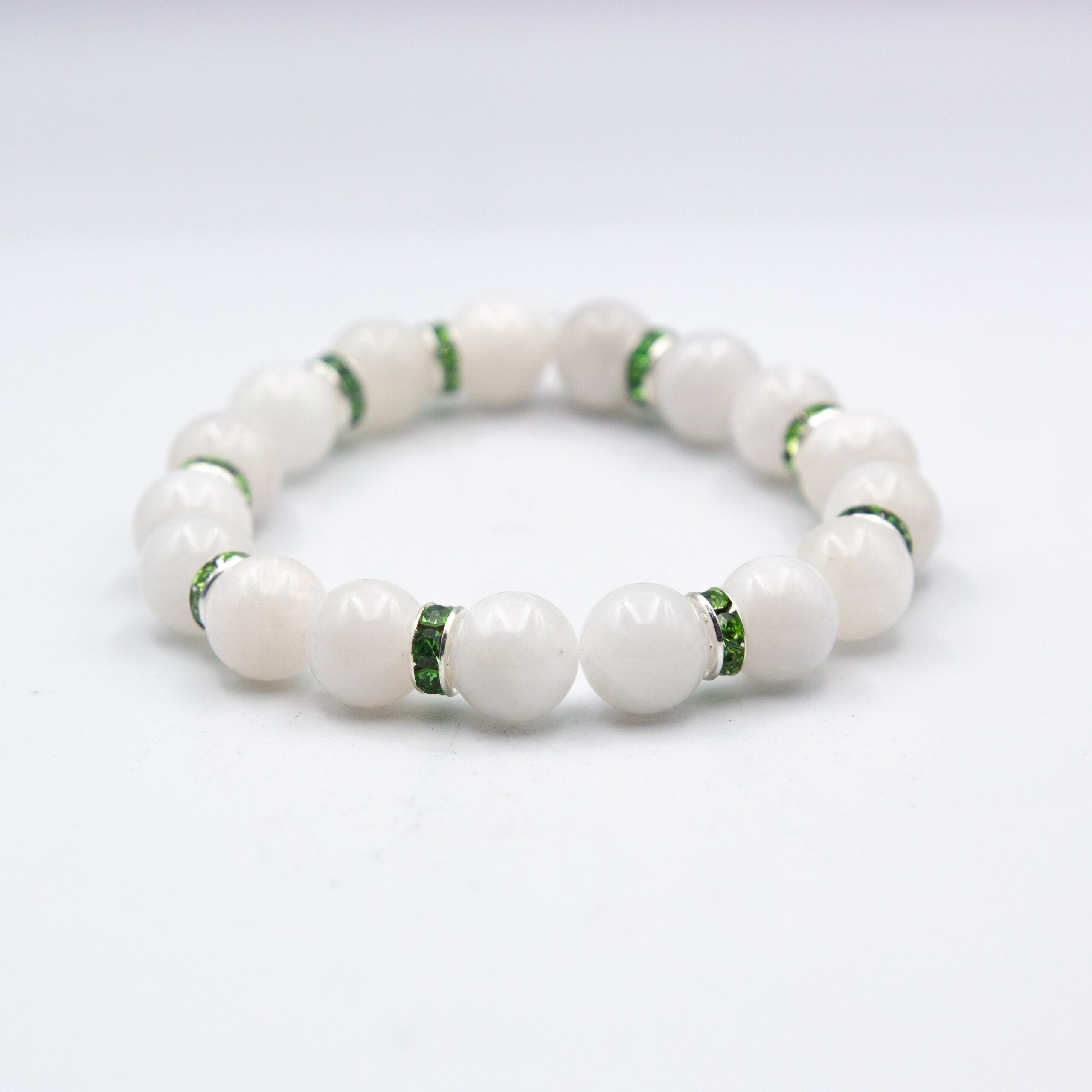
The word selenite comes from the Greek selēnē, the moon, and Selene, the moon goddess of Greek mythology. The name describes its look: a soft, pearly light rather than the sharp sparkle of quartz. That moon connection shapes most of what selenite has come to mean in modern crystal practice.
Light and purity. Its white, luminous appearance has made selenite a symbol of light, clarity and purity in modern crystal traditions. It's often described as a "high-vibration" stone, a phrase used in spiritual practice rather than in any measurable sense.
Cleansing. Selenite's best-known meaning is cleansing. Many crystal practitioners believe it clears stagnant or heavy energy from a space, a person, or other crystals.
Calm and stillness. Like the moon itself, selenite is associated with quiet, reflection and rest, which is why it's so often placed in bedrooms and meditation corners.
The crown chakra. In chakra-based systems, selenite is linked with the crown chakra at the top of the head, associated with insight and spiritual connection. If you're new to chakras, our 7 chakra bracelet guide explains the system.
It's worth being clear that these meanings come from modern metaphysical practice. Selenite doesn't have the long, documented spiritual history that stones such as carnelian or turquoise have in many cultures; much of its present reputation has grown in the last few decades.
Selenite Benefits: Traditional Beliefs
The selenite benefits people describe are spiritual and emotional rather than physical, and they're best understood as beliefs and personal experiences. There's no scientific evidence that selenite changes energy, health or mood. With that in mind, these are the benefits most often associated with it.
1. Clearing the energy of a space
The most common use of selenite is to "clear" a room. People place towers or slabs in corners, by the front door or in a home office, believing selenite keeps the atmosphere light and settled. For many, the real value is the ritual: a deliberate moment to tidy, open a window, and reset a space. Our room-by-room guide to placing crystals covers where people usually put cleansing stones.
2. Cleansing and "recharging" other crystals
Selenite is widely believed to cleanse other crystals simply by contact, so people rest bracelets, tumbled stones and pendants on a selenite plate or in a selenite bowl overnight. A popular claim is that selenite itself "never needs cleansing". That's a belief rather than a fact, and it's worth noting that the plate still needs physical care: dust and skin oil build up on it like any other surface.
3. Calm, peace and better rest
Its soft glow and moon symbolism make selenite a bedroom favourite. People keep a small piece on a bedside table or under a pillow (in a pouch, to protect it) as part of a wind-down routine. Any calm you feel comes from you and your routine, but a quiet, intentional bedtime ritual is genuinely worthwhile.
4. Mental clarity and focus
Selenite is associated with clear thinking and is often placed on desks or used in meditation. Holding a smooth wand during a few minutes of quiet breathing can be a simple way to focus attention.
5. Protection
Some traditions treat selenite as a protective stone, placing pieces at entrances or in the four corners of a room. It's usually seen as a "light" protective stone, compared with grounding black stones such as obsidian and tourmaline. If protection is your main interest, our comparison of obsidian vs black tourmaline and our guide to crystals for the evil eye go further.
A note on health: selenite is not a treatment for any physical or mental health condition, and nothing here is medical advice. If you're struggling with sleep, anxiety or anything else, please speak to a qualified professional. Crystals can be part of a personal routine, but never a replacement for care.
Selenite vs Satin Spar vs Desert Rose
Here's something many shops don't explain: a lot of what's sold as "selenite" is technically satin spar. Both are gypsum, and both need exactly the same care, but they look different.
| Form | What It Looks Like | Commonly Sold As |
|---|---|---|
| Selenite (true) | Clear to translucent, glassy, flat or bladed crystals that split into thin sheets | Raw blades, clear plates, specimens |
| Satin spar | White, fibrous, with a silky sheen that moves as you turn it | Wands, towers, bowls, lamps, "selenite" charging plates |
| Desert rose | Rosette of bladed crystals with sand trapped inside, sandy brown | Desert rose, sand rose |
| Alabaster | Fine-grained, massive, smooth, often carved | Carvings, ornaments |
Satin spar is the fibrous form, and its parallel fibres create that beautiful, moving, silky glow. Most polished wands, towers and lamps are satin spar, often mined in Morocco. In everyday crystal shopping, "selenite" has become the common name for both, and in practice the meaning and care are treated as the same. Just be aware that fibrous satin spar can shed tiny fibres or splinters at broken ends, and it splits more readily along its length when wet.
Desert rose will be familiar to anyone in the UAE. These rosette-shaped formations grow in desert sands, including across the Arabian Peninsula, and are popular souvenirs here. Many desert roses are gypsum, the same mineral as selenite, with sand grains trapped between the blades (others are barite). Gypsum desert roses need the same dry care: no washing, no damp cloths.
How People Use Selenite

Charging plates and bowls
The most popular selenite product is the flat plate or shallow bowl. People place bracelets, rings and small stones on it overnight, believing it cleanses and refreshes them. It's also a neat, practical way to keep jewellery in one place. Only put dry items on it: a bracelet that's just been washed or worn during wudu should dry fully first, or the moisture transfers to the plate.
Wands
Selenite wands are used in energy-clearing rituals, swept slowly through the air around the body or a room, or simply held during meditation. Treat wands gently: they're long and thin, and selenite's perfect cleavage means they snap easily if dropped onto tile or marble floors.
Towers and slabs
Towers are placed in room corners, by the entrance or on desks as cleansing anchors. Stable, wide-based towers are safer in homes with children or pets.
Lamps
Satin spar lamps glow warmly from an internal bulb. Choose lamps with properly certified electrical fittings, use the bulb type recommended by the maker, and avoid high-wattage bulbs that make the stone hot.
Alongside moonlight rituals
Many people charge crystals under the full moon. Selenite can be part of that ritual, but keep it indoors on a dry windowsill rather than outside where dew forms. Our guide to charging crystals in moonlight explains which stones can go outside and which can't.
How to Clean Selenite Safely
Physical cleaning and spiritual "cleansing" are two different things, and selenite needs both handled dry.
Physical cleaning: dry only
- Make sure your hands are clean and completely dry.
- Dust with a soft, dry brush, such as a clean makeup brush or soft paintbrush, especially along grooves and the striations of satin spar.
- Wipe gently with a dry microfibre cloth, moving along the length of the fibres rather than across them, which can lift fibres.
- Use a gentle puff of air from a bulb blower to clear dust from rough or raw pieces.
- Buff lightly with a clean dry cloth to restore the sheen. Don't press hard; it's softer than your fingernail.
Never use water, damp cloths, soap, glass cleaner, alcohol, vinegar or any spray on selenite.
Spiritual cleansing: water-free methods
Many people believe selenite doesn't need cleansing at all. If you prefer to cleanse it anyway, choose dry methods:
- Sound: ring a singing bowl near it. Our singing bowl beginner's guide explains how.
- Moonlight: on a dry indoor windowsill, away from condensation.
- Smoke: incense, bakhoor or herbs, passed at a distance so the stone doesn't get hot or sooty.
- Intention: simply holding the stone and setting an intention is enough for many people.
Avoid salt entirely. Salt water dissolves selenite, and dry salt is gritty enough to scratch it and draws moisture from the air.

Selenite in UAE Humidity and Heat
Generic selenite care guides are written for cool, dry homes. The UAE adds two challenges: humid coastal air for much of the year, and intense summer heat.
Humidity
Coastal cities such as Dubai, Abu Dhabi and Sharjah can be very humid, especially in late summer. Indoors, air conditioning usually keeps rooms comfortable and drier, but problems appear in a few predictable places:
- Bathrooms and en-suites, where steam settles on every surface. Never keep selenite here.
- Windowsills facing outside, where condensation forms on cold glass when humid air meets an air-conditioned room.
- Balconies and terraces, which collect dew overnight even when it doesn't rain.
- Kitchens, with steam from cooking and kettles.
- Rooms where AC is switched off for long periods, such as when you're travelling over summer.
The safest places are interior shelves, closed display cabinets, desks and bedside tables in air-conditioned rooms. If you leave home for a long summer break, put smaller selenite pieces in a closed box with a sachet of silica gel.
Heat
Gypsum holds water inside its crystal structure, and strong heat drives that water out. That's how gypsum is turned into plaster. Normal room temperatures are no problem, but avoid placing selenite on heaters, near stoves or ovens, under hot lamps, or in direct midday sun on a windowsill. A parked car in a UAE summer is not a good place for selenite either. Our guide to looking after crystals in UAE heat covers which other stones need protecting from cars, balconies and summer sun.
Five Other Mistakes That Damage Selenite
1. Storing it with harder stones. Quartz, amethyst, agate and almost every crystal you own is harder than selenite. Loose in a drawer or bag, they'll scratch it. Store selenite separately or wrapped in soft cloth.
2. Wearing it as everyday jewellery. Selenite jewellery exists, but at hardness 2 it scuffs quickly, and contact with sweat, perfume, attar and handwashing will dull it. If you love the look, save it for occasional wear and take it off before washing hands or wudu.
3. Dropping it. Perfect cleavage means selenite splits cleanly along one direction. Wands and tall towers are especially prone to snapping on hard floors.
4. Putting it in water for "crystal water". Beyond damaging the stone, putting minerals in drinking water is never a good idea. Keep selenite out of bottles, glasses and elixirs entirely.
5. Placing it under plants or near aquariums. Splashes and humidity from watering and fish tanks are slow but steady damage.
How to Tell Real Selenite From Look-Alikes
Selenite and satin spar are inexpensive, so outright fakes are less common than with gemstones like turquoise or lapis lazuli. Still, a few look-alikes and imitations do circulate.
The fingernail test. Gypsum is softer than a fingernail. On an inconspicuous spot, such as the base of a tower, press a fingernail firmly: genuine selenite will take a faint mark. Calcite, glass and resin won't. (Only try this if you're happy to leave a tiny mark.)
Temperature and weight. Selenite feels cool and relatively light for its size. Resin imitations warm quickly in the hand and often feel slightly plasticky. Glass is noticeably heavier and colder.
Fibres and sheen. Satin spar shows parallel fibres and a sheen that rolls across the surface as you turn it. Resin and glass imitations often have a flat, uniform glow, and may contain round air bubbles.
Ulexite. Sometimes called "TV stone", ulexite is another fibrous mineral that can look similar. Its fibres carry an image from one side to the other, so text placed under a polished piece appears on top. It's a different mineral, not selenite.
Colour. Peach, orange and golden selenite occurs naturally, coloured by iron and other minerals. Very bright or unusual colours such as vivid blue or purple are usually dyed. Ask the seller.
For a broader look at telling natural stones from imitations, see our guide to choosing an authentic crystal.
Is Selenite Safe at Home?
Gypsum is a common, low-toxicity mineral used in building materials and even some foods, so handling selenite normally is fine. A few sensible precautions still apply:
- Don't sand, file or cut it without a dust mask; fine mineral dust shouldn't be inhaled.
- Watch for splinters on broken satin spar ends, which can shed sharp fibres.
- Keep small pieces away from young children and pets, who may chew or swallow them.
- Don't use it in drinks or elixirs.
- Choose lamps with certified electrical fittings and avoid hot bulbs.
Water-Safe Crystals to Pair With Selenite
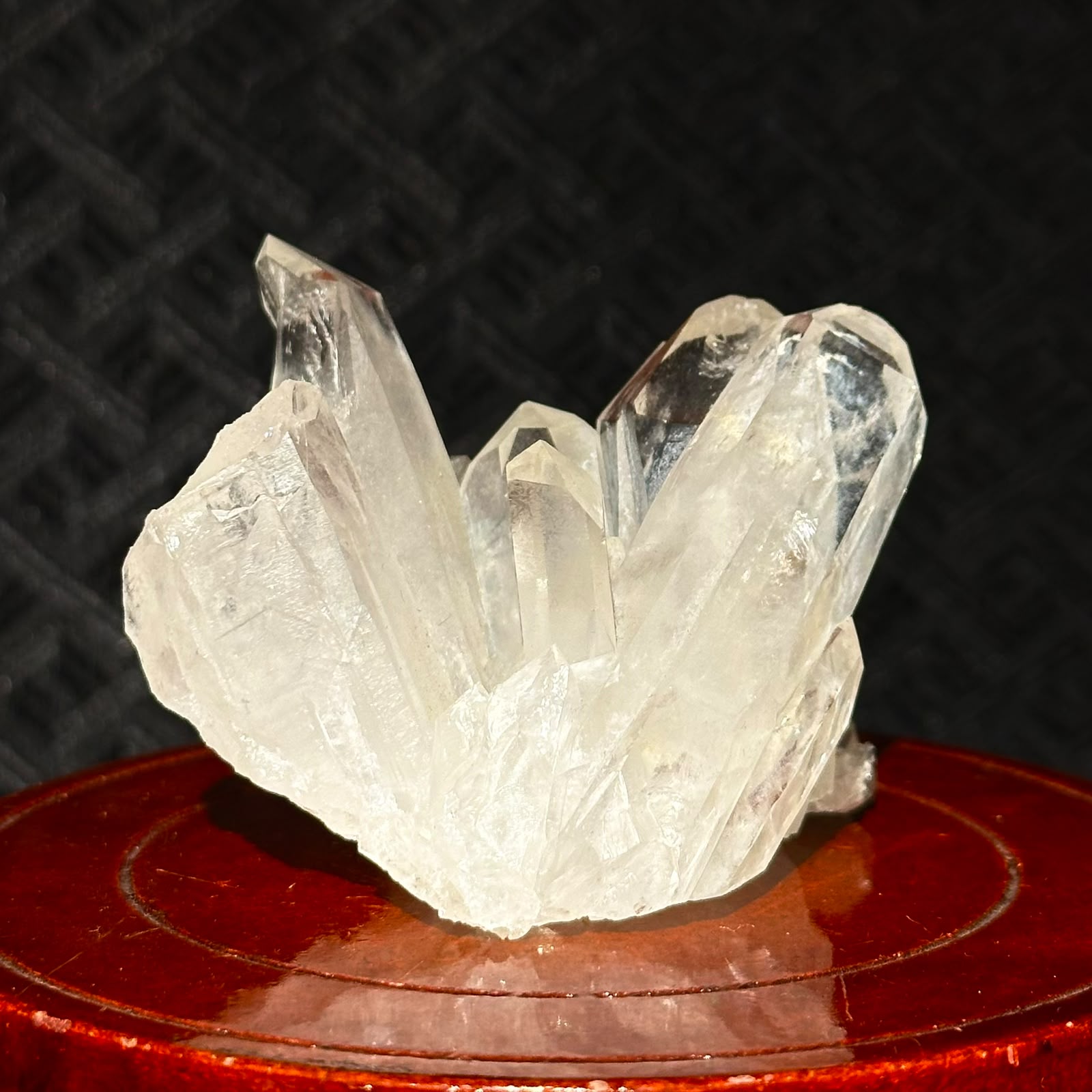
Selenite works beautifully alongside sturdier stones, and if you want a cleansing crystal for a humid spot where selenite would suffer, a harder stone is the practical choice.
Clear quartz clusters are traditionally used to cleanse and amplify other crystals, much like selenite, but at hardness 7 they're far more durable and can handle a careful wipe with a damp cloth. Our Ganesh Himal Alpine Crown Clear Quartz Cluster is a natural Himalayan cluster that many people use as a resting place for bracelets. See also how to clean clear quartz.
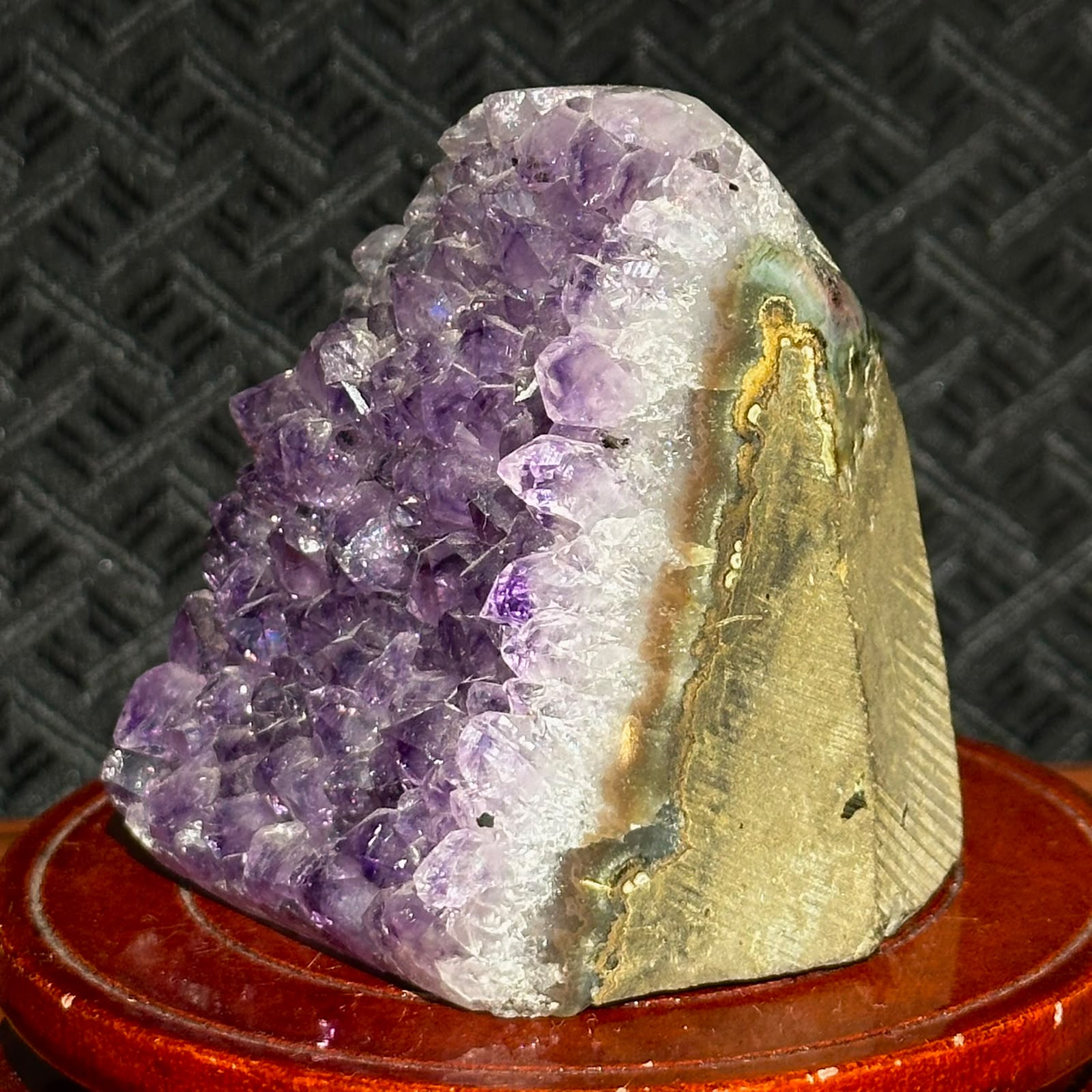
Amethyst clusters share selenite's associations with calm and rest, which is why the two are often placed together in bedrooms. Our Natural Lavender Amethyst Cluster is one example; read more in our guide to amethyst meaning and benefits.
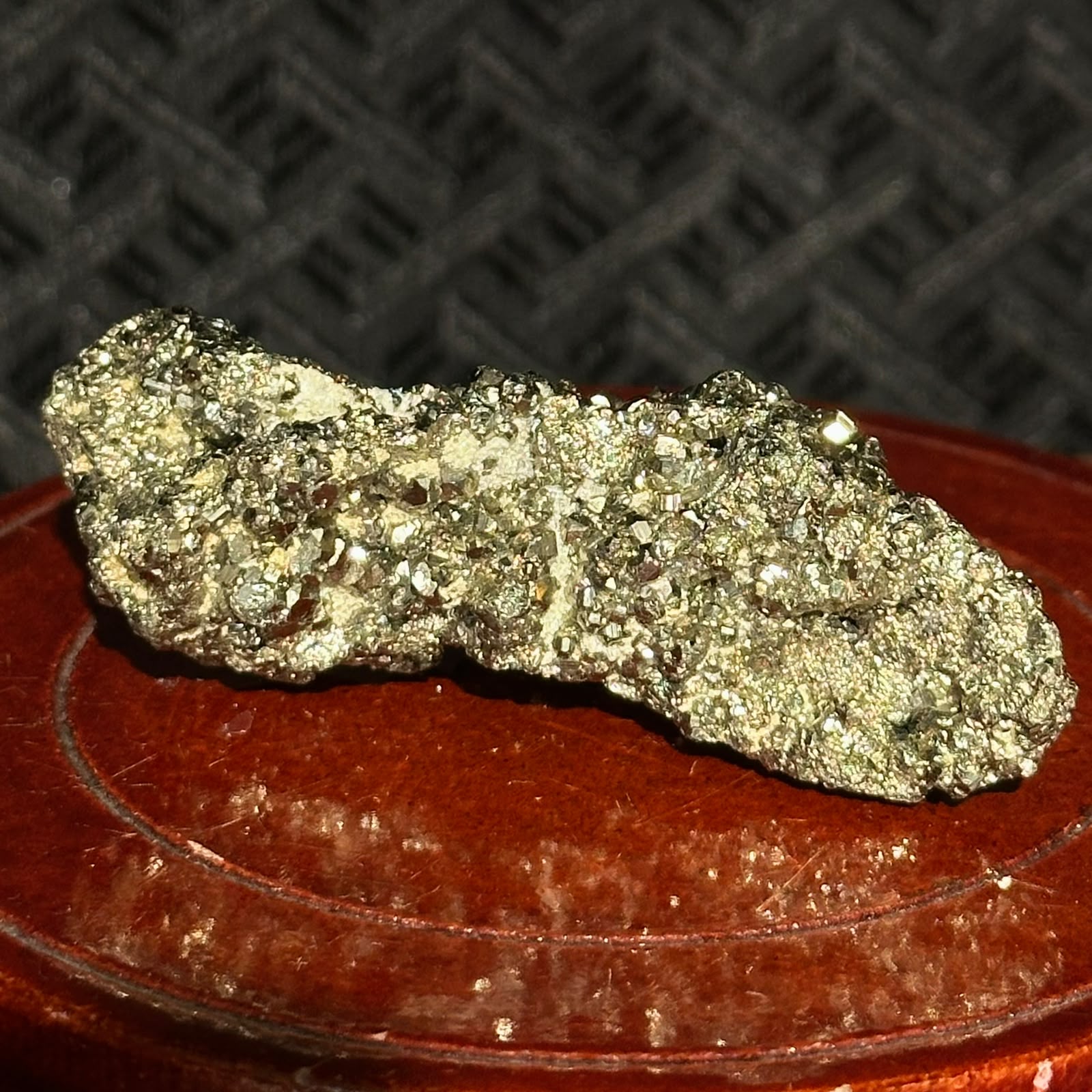
Other water-sensitive stones need the same dry care as selenite. Pyrite, for example, can tarnish and rust with moisture, so a piece like our raw pyrite belongs on the same dry shelf. Turquoise, lapis lazuli and malachite are also best kept dry.
Browse our full natural crystal collection for stones to build a collection around. Orders over AED 150 ship free within the UAE, usually in 1–2 days.
Questions about selenite or crystal care?
Send us a photo or tell us where you plan to keep it, and we'll help you choose and care for the right crystals.
Living With Selenite: The Rule That Keeps It Glowing
Selenite meaning is all about light, cleansing and calm, and that soft, moonlike glow is exactly what people love about it. Whether you see its benefits as spiritual, symbolic or simply the pleasure of a beautiful object in a peaceful corner, it rewards a little care. Remember the one rule, keep it dry, and everything else follows: dust it with a dry brush, cleanse it with sound or moonlight instead of water or salt, keep it out of bathrooms and off humid windowsills, store it away from harder stones, and handle wands gently. Do that and your selenite will keep its glow for years.
Questions People Ask
What is the meaning of selenite?
Selenite is named after Selene, the Greek moon goddess, for its soft, moonlike glow. In modern crystal practice it's associated with cleansing, clarity, calm and the crown chakra. These are spiritual beliefs rather than proven effects.
Can selenite get wet?
No. Selenite is a form of gypsum, which is slightly water-soluble and very soft. Water can cloud, pit and slowly dissolve it. If it gets wet by accident, pat it dry gently and let it air-dry; don't rub it.
What are the benefits of selenite?
Traditionally, people use selenite to clear the energy of a room, cleanse other crystals, support calm and rest, and aid focus during meditation. There's no scientific evidence for these benefits, and selenite is not a substitute for medical care.
How do you clean selenite?
Use a soft dry brush to remove dust, then wipe gently with a dry microfibre cloth along the direction of the fibres. Never use water, soap, sprays or salt. For spiritual cleansing, use sound, moonlight indoors, or smoke.
Is selenite the same as satin spar?
Both are gypsum. True selenite is clear and glassy, while satin spar is white and fibrous with a silky sheen. Most wands, towers and lamps sold as selenite are satin spar. They're treated the same in meaning and care.
Does selenite need to be cleansed?
Many crystal practitioners believe selenite cleanses itself, but that's a belief. It still collects dust and skin oils, so it needs regular dry dusting.
Where should I not put selenite?
Avoid bathrooms, kitchens, balconies, windowsills with condensation, near plants or aquariums, on heaters, in direct hot sun and in parked cars. Keep it on dry indoor shelves in air-conditioned rooms.
Is desert rose the same as selenite?
Many desert roses are gypsum, the same mineral as selenite, grown as rosettes with sand trapped inside. Some are barite instead. Gypsum desert roses need the same dry care as selenite.