

Himalayan Gongs Explained: A Complete Guide to Sound Healing & Meditation

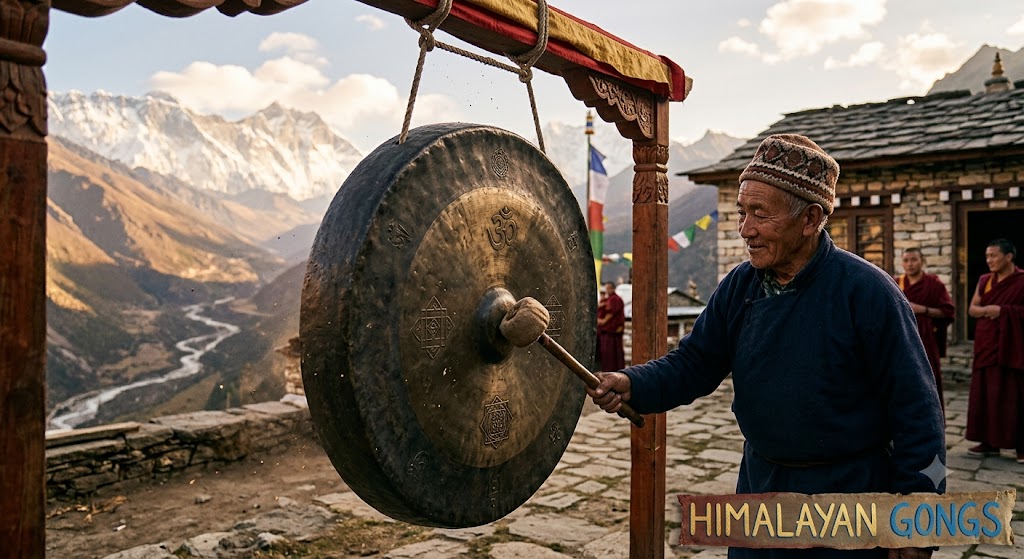
For thousands of years, cultures across the Himalayan region have used the deep, resonant vibrations of gongs to promote healing, balance, and inner peace. Today, Himalayan gong sound healing has become one of the most sought-after practices in the wellness and meditation community, and for good reason. The rich, layered tones of a handcrafted gong don’t just sound beautiful — they interact with the human body on a cellular level, helping to release stress, clear energetic blockages, and restore harmony to the mind and body.
If you’ve ever attended a sound bath, a yoga class, or a meditation retreat and felt the room fill with waves of deep, vibrating sound, chances are you were experiencing the power of a Himalayan gong. In this complete guide, we’ll explore what these gongs are, where they come from, how they’re made, and why they’ve become such a powerful tool for chakra healing, energy therapy, and meditation practices around the world.
Whether you’re a sound healing practitioner, a yoga instructor, or simply someone curious about incorporating sound therapy into your wellness routine, this guide will walk you through everything you need to know about Himalayan gongs — from their ancient origins to how to choose and use one for your own healing journey.
What Is a Himalayan Gong?
A Himalayan gong is a large, circular percussion instrument traditionally handcrafted from a blend of metals, most commonly bronze, which is an alloy of copper and tin. Unlike simple metal discs, these gongs are meticulously hammered and shaped by skilled artisans, often using techniques passed down through generations in regions like Nepal, Tibet, and parts of Northern India.
What sets a Himalayan gong apart from other percussion instruments is its unique sound profile. When struck, it doesn’t just produce a single tone — it generates a complex wave of overtones, undertones, and harmonics that ripple outward and blend together. This layered, textured sound is what makes gong sound healing so distinct and powerful compared to other instruments used in sound therapy.
These gongs vary in size, typically ranging from small hand-held versions to large ceremonial gongs that can be several feet in diameter. The size, thickness, and metal composition of the gong all influence the tone, sustain, and vibrational depth it produces.
The Cultural and Spiritual Roots of Himalayan Gongs
The use of gongs in the Himalayan region is deeply tied to Buddhist and Hindu spiritual traditions. In many Himalayan monasteries, gongs have been used for centuries to mark the beginning and end of meditation sessions, to call practitioners to prayer, and to create a sacred atmosphere during rituals. The sound was believed to purify the space, dispel negative energy, and prepare the mind for deep contemplation.
Beyond monastic use, gongs also played a role in traditional Himalayan healing practices, where sound and vibration were understood as tools for restoring balance to the body’s energy systems — a concept that aligns closely with what we now refer to as energy therapy and chakra healing in modern wellness circles.
How Himalayan Gongs Are Handcrafted
One of the most fascinating aspects of an authentic Himalayan handcrafted gong is the labor-intensive process behind its creation. Unlike mass-produced instruments, traditional gongs are made almost entirely by hand, which is part of why they carry such unique tonal qualities.
The Traditional Gong-Making Process
- Metal Selection – Artisans begin by selecting a specific blend of metals, most commonly bronze, though some gongs incorporate small amounts of other metals to achieve a particular tonal character.
- Heating and Shaping – The metal is heated to extremely high temperatures and then hammered into a flat, circular shape. This hammering process is repeated dozens, sometimes hundreds, of times.
- Hand-Hammering the Surface – Skilled craftsmen use hand hammers to create the gong’s signature textured surface. This isn’t just decorative — the hammering pattern directly affects how sound waves travel across the metal, shaping the gong’s unique voice.
- Tuning by Ear – Unlike factory-made instruments tuned with digital equipment, traditional gong makers tune each piece by ear, listening carefully as they adjust the thickness and shape until the desired tone is achieved.
- Finishing Touches – Once the tonal quality is perfected, the gong is cleaned, polished, and sometimes engraved with symbolic designs such as mandalas, om symbols, or other spiritual motifs.
This entire process can take days or even weeks per gong, which is why an authentic handcrafted Himalayan gong is considered both a musical instrument and a piece of spiritual craftsmanship.
Why Handcrafted Gongs Sound Different From Machine-Made Ones
Machine-made gongs are often uniform and produce a flatter, more predictable sound. Handcrafted gongs, on the other hand, have slight irregularities in their surface and structure — and it’s precisely these imperfections that give them their rich, complex, and deeply resonant tone. This complexity is a major reason practitioners prefer handcrafted gongs for sound healing and meditation work, as the layered frequencies create a more immersive and therapeutic experience.
The Science Behind Gong Sound Healing
While gongs have been used for spiritual and ceremonial purposes for centuries, modern science has started to explore why their sound has such a profound effect on the human body and mind.
Sound, Vibration, and the Human Body
The human body is composed of roughly 60% water, and water is an excellent conductor of vibration. When a gong is struck, it produces sound waves that travel through the air and are absorbed by the body, creating a physical sensation as well as an auditory one. This is often described by practitioners as feeling the sound rather than just hearing it.
This concept is central to vibrational sound therapy, which suggests that specific frequencies can influence brainwave activity, muscle tension, and even cellular function. Many practitioners believe that the layered, complex frequencies produced by a gong help synchronize brainwave patterns, shifting the mind from a busy, analytical state (beta waves) into a more relaxed, meditative state (alpha and theta waves).
Brainwave Entrainment and Deep Relaxation
Brainwave entrainment is a phenomenon where external rhythmic stimuli — such as sound — can influence the brain’s electrical activity to synchronize with that rhythm. Gong sounds, with their slow, sweeping waves and rich harmonic layers, are particularly effective at guiding the brain into these deeper, more relaxed states.
This is why many people who experience a gong sound bath report feeling as though they entered a trance-like or dream-like state, even if they remained fully conscious throughout the session. This deep relaxation response is associated with reduced cortisol levels, lower heart rate, and an overall decrease in the body’s stress response.
The Role of the Nervous System
Our autonomic nervous system has two main branches: the sympathetic nervous system (responsible for the “fight or flight” response) and the parasympathetic nervous system (responsible for “rest and digest” functions). Chronic stress keeps many people stuck in a sympathetic-dominant state, which can lead to anxiety, poor sleep, digestive issues, and a weakened immune system.
The deep, slow vibrations of a Himalayan gong are thought to help activate the parasympathetic nervous system, essentially signaling to the body that it’s safe to relax. This shift is a key reason gong therapy is increasingly used as a complementary approach for stress relief and emotional healing.
Gong Sound Healing and Chakra Balancing
One of the most popular applications of gong therapy is in the practice of chakra healing. According to ancient yogic and Ayurvedic traditions, the body contains seven main energy centers, or chakras, each associated with different physical, emotional, and spiritual functions.
The Seven Chakras and Their Associations
- Root Chakra (Muladhara) – Associated with grounding, safety, and stability.
- Sacral Chakra (Svadhisthana) – Linked to creativity, pleasure, and emotional flow.
- Solar Plexus Chakra (Manipura) – Governs personal power, confidence, and willpower.
- Heart Chakra (Anahata) – Connected to love, compassion, and connection.
- Throat Chakra (Vishuddha) – Related to communication and self-expression.
- Third Eye Chakra (Ajna) – Associated with intuition and inner wisdom.
- Crown Chakra (Sahasrara) – Represents spiritual connection and higher consciousness.
How Gongs Are Used for Chakra Healing
Practitioners of gong chakra healing believe that each chakra resonates with a specific frequency, and when a chakra becomes blocked or imbalanced, it can manifest as physical discomfort, emotional distress, or a general sense of being “stuck.” The layered, complex tones of a gong are thought to help release these blockages by flooding the body with a wide range of frequencies, allowing it to naturally “find” and resonate with whatever frequency is needed for healing.
During a chakra sound healing session, a practitioner may play the gong in specific patterns or rhythms while the recipient lies down, often accompanied by other elements such as guided visualization, breathwork, or crystal placement along the body. The goal is to allow the vibrations to work through each energy center, releasing tension and restoring balance from the root chakra all the way up to the crown.
Benefits of Himalayan Gong Sound Healing
The reported benefits of incorporating a Himalayan gong into your wellness practice are wide-ranging, spanning physical, mental, and emotional wellbeing.
1. Deep Stress and Anxiety Relief
Many people turn to gong meditation specifically for its calming effects. The slow, immersive soundwaves help quiet the mental chatter of a busy mind, making it easier to let go of daily stressors and anxious thoughts.
2. Improved Sleep Quality
Because gong sound therapy encourages a shift into deeper brainwave states, many practitioners use gong sessions in the evening to help prepare the body and mind for restful sleep. Some even use recordings of gong sounds as part of their nightly wind-down routine.
3. Enhanced Meditation Depth
For those who struggle to quiet their minds during traditional silent meditation, the gong offers an anchor. Rather than fighting against distracting thoughts, practitioners can focus on the sound itself, allowing meditation to happen more naturally and deeply.
4. Emotional Release
Sound has a unique ability to bypass the analytical mind and access emotions stored on a subconscious level. Many people report unexpected emotional releases — tears, laughter, or a sense of catharsis — during a gong sound bath, which practitioners view as a healthy release of stored tension.
5. Physical Relaxation and Pain Relief
The vibrational nature of gong sound is thought to help relax tense muscles and ease physical discomfort. Some practitioners incorporate gong therapy into bodywork sessions, such as massage or reiki, to enhance the overall relaxation response.
6. Supports Energy Clearing and Balance
As discussed in the chakra healing section above, many people use gong sound specifically for energy therapy purposes — clearing stagnant or blocked energy and restoring a sense of flow and balance throughout the body’s energetic system.
7. Group Healing and Connection
Gong sound baths are often practiced in group settings, creating a shared experience of relaxation and healing. This communal aspect adds an additional layer of emotional and social benefit, fostering a sense of connection and collective calm.
How to Use a Himalayan Gong for Meditation
If you’re new to gong meditation, getting started doesn’t require years of training — but a little guidance can help you get the most out of your practice.
Setting Up Your Space
Choose a quiet, comfortable space where you won’t be interrupted. Many practitioners like to dim the lights, light candles or incense, and create a calming atmosphere before beginning a gong session. If you’re using the gong for a group sound bath, arrange mats or cushions so everyone can lie down comfortably.
Basic Gong Playing Techniques
- Warming Up the Gong – Before playing a full session, gently strike the gong a few times to “wake it up” and allow the metal to begin resonating.
- Building Layers of Sound – Rather than striking the gong hard right away, start softly and gradually build in intensity, allowing the sound to swell naturally.
- Using Sweeping Strokes – Many practitioners use a technique of “sweeping” the mallet around the surface of the gong rather than striking a single point repeatedly, which creates a more textured, layered sound.
- Allowing Silence – Pauses and moments of silence between sounds are just as important as the gong strikes themselves, giving the body time to absorb and integrate the vibrations.
A Simple Gong Meditation Practice
- Sit or lie down in a comfortable position.
- Close your eyes and take a few deep breaths to settle into your body.
- Begin playing the gong softly, gradually increasing intensity over several minutes.
- Allow the sound to fill the space, focusing your attention fully on the vibrations rather than your thoughts.
- After 10–20 minutes, slowly bring the sound back down to silence.
- Sit quietly for a few minutes afterward, noticing how your body and mind feel before returning to your day.
If you don’t have access to a gong yourself, attending a professionally led gong sound bath is a wonderful way to experience the practice guided by an experienced practitioner.
Choosing the Right Himalayan Gong
If you’re considering purchasing your own Himalayan handcrafted gong, there are a few important factors to keep in mind to ensure you choose one that fits your needs.
1. Size and Sound Depth
Larger gongs generally produce deeper, more resonant tones with longer sustain, while smaller gongs offer brighter, quicker sounds. Consider your intended use — a large ceremonial gong may be ideal for group sound baths, while a smaller gong might be more practical for personal meditation practice.
2. Authenticity and Craftsmanship
Look for gongs that are genuinely handcrafted rather than mass-produced. Authentic Himalayan gongs often have slight surface irregularities from the hand-hammering process, which contribute to their rich, complex tonal quality.
3. Material Quality
High-quality bronze gongs tend to produce the richest, most layered sound. Be cautious of very low-cost options, as inferior metal blends can result in a thin, tinny sound that lacks the deep resonance associated with authentic gong therapy.
4. Intended Use
Are you purchasing the gong for personal meditation, professional sound healing sessions, yoga studio use, or as a decorative spiritual piece? Your intended use will influence the ideal size, tone, and even the design or engravings you might prefer.
5. Included Accessories
Many gongs come with a mallet (beater) and sometimes a stand. Make sure you understand what’s included with your purchase, as the right mallet can significantly affect the sound quality you’re able to produce.
Caring for Your Himalayan Gong
Proper care will ensure your gong maintains its beautiful tone and appearance for years, or even generations, to come.
- Handle with Clean, Dry Hands – Oils and moisture from skin can affect the metal surface over time.
- Store in a Safe, Dry Location – Avoid areas with high humidity, as this can lead to tarnishing.
- Clean Gently – Use a soft, dry cloth to wipe down your gong after use. Avoid harsh chemical cleaners.
- Transport Carefully – If your gong comes with a carrying case or bag, use it during transport to protect the surface from scratches or dents.
- Regular Use – Interestingly, many practitioners believe that gongs played regularly tend to develop even richer tones over time, as if the metal “opens up” with consistent use.
Gong Sound Healing vs. Other Sound Therapy Instruments
While gongs are one of the most powerful tools in sound therapy, they’re often used alongside or compared to other instruments such as singing bowls, tuning forks, and crystal bowls. Understanding the differences can help you decide which tools might best support your personal practice.
Singing bowls tend to produce a more focused, singular tone, making them ideal for targeted work on specific chakras or intentions. Tuning forks are often used for precise frequency work, sometimes directly on or near the body. Crystal bowls produce a clear, ethereal sound often associated with higher, more etheric frequencies.
Himalayan gongs, by contrast, are known for their full-spectrum, immersive sound. Rather than a single clear note, a gong produces an entire cascade of overtones and harmonics simultaneously, which is why many practitioners describe the gong as one of the most powerful full-body sound healing instruments available. Many sound healers use gongs as the centerpiece of a session, layering in other instruments to complement the experience.
Who Can Benefit From Gong Therapy?
Gong sound healing is a remarkably accessible practice, suitable for a wide range of people:
- Meditation practitioners looking to deepen their practice
- Yoga instructors and studios wanting to incorporate sound into classes
- Individuals experiencing high stress or anxiety
- Those seeking better sleep quality
- People interested in energy work and chakra balancing
- Reiki practitioners and holistic healers wanting to complement their existing modalities
- Anyone curious about alternative and complementary wellness practices
That said, as with any wellness practice, it’s worth noting that gong sound therapy is generally considered a complementary practice rather than a replacement for medical treatment. Individuals with certain health conditions, particularly those involving sound sensitivity, seizure disorders, or who are pregnant, may want to consult with a healthcare provider before participating in intense sound sessions.
Frequently Asked Questions About Himalayan Gongs
What makes a Himalayan gong different from a regular gong?
A Himalayan gong is typically handcrafted using traditional techniques passed down through generations, often using a bronze alloy and hand-hammering methods that create a uniquely rich, layered tone compared to mass-produced or machine-made gongs.
How long does a gong sound healing session usually last?
Sessions can vary widely, but most gong sound baths last anywhere from 30 minutes to an hour, allowing enough time for the body and mind to fully settle into the relaxation response.
Can I use a Himalayan gong at home for personal meditation?
Absolutely. Many people incorporate a smaller Himalayan gong into their personal meditation practice, using it to mark the beginning or end of a session, or as an extended sound meditation practice on its own.
Do I need special training to play a gong for sound healing?
While professional sound healers often undergo specific training and certification, individuals can begin exploring basic gong meditation techniques at home with practice and patience.
Is gong sound healing backed by scientific research?
While research into sound therapy is still developing, existing studies on brainwave entrainment and the relaxation response support many of the reported benefits of vibrational sound therapy, including reduced stress and improved mood.
How do I know if a gong is authentically handcrafted?
Authentic handcrafted Himalayan gongs typically show visible hammer marks and slight surface irregularities, unlike the smooth, uniform surface of machine-made alternatives. Purchasing from a reputable, specialized source is the best way to ensure authenticity.
Final Thoughts on Himalayan Gongs and Sound Healing
The tradition of Himalayan gong sound healing offers a beautiful bridge between ancient spiritual practice and modern wellness science. Whether you’re drawn to the deep, meditative states these instruments can induce, the potential for chakra healing and energy therapy, or simply the profound beauty of their sound, incorporating a handcrafted Himalayan gong into your practice can be a deeply transformative experience.
As with any wellness tool, the true magic of gong therapy comes not just from the instrument itself, but from the intention, presence, and openness you bring to each session. Whether you’re lying down in a group sound bath or striking your own gong in quiet solitude at home, allow yourself to be fully present with the sound — and trust in the ancient wisdom behind this powerful healing tradition.