

Singing Bowl Mallets Explained: Wood, Suede or Felt
The stick that comes with your bowl changes its voice more than most people realise. Here's how wood, suede and felt mallets sound, when to use each, and how to match one to your bowl.
Most people choose a singing bowl carefully, listening to its tone, checking its size, comparing designs, and then play it with whatever stick came in the box. But the mallet, also called a striker or stick, has a huge effect on the sound. The same bowl can sound bright and shimmering with bare wood, smooth and steady with suede, or deep and soft with felt. Use the wrong one and a beautiful bowl can rattle, refuse to sing, or sound harsh. This guide explains the three main mallet types, what each does to the sound, when to use them for striking and for circling the rim, and how to match a mallet to your bowl's size and material.
Singing Bowl Mallets: The Short Answer
Bare wood brings out bright, high overtones and gives you the most control, but it can rattle on the rim and is less forgiving for beginners. Suede or leather-wrapped mallets produce a smoother, warmer tone when circling the rim, rattle far less, and are the easiest way to make most metal bowls "sing". Felt or padded mallets are mainly for striking: they bring out the deep fundamental note with a soft attack, but they're poor for rimming. Many mallets are dual-ended, with bare wood at one end and a wrapped or padded section at the other, which covers most needs. As a rule: larger, heavier bowls need larger, heavier mallets, small bowls need slimmer ones, and crystal bowls need rubber or suede-covered mallets, never bare wood or metal.
Why the Mallet Matters So Much

A singing bowl doesn't produce a single note. When it vibrates, it sounds a deep main note, called the fundamental, along with a series of higher overtones that give each bowl its character. The mallet decides which of those you hear most.
- Hard surfaces like bare wood excite the higher overtones, so the sound is brighter and more complex.
- Softer surfaces like suede and felt dampen the high frequencies, so the deep fundamental comes forward and the sound is warmer and rounder.
- Heavier mallets put more energy into the bowl, which helps large, thick bowls reach their full voice.
- Grip on the rim matters when you circle the bowl: the right amount of friction keeps the bowl vibrating smoothly instead of rattling.
That's why swapping the mallet is one of the easiest ways to change how a bowl sounds, without buying a new bowl.
Two Ways to Play: Striking and Rimming
Before comparing mallets, it helps to know the two basic ways to play a bowl, because each mallet type is better at one than the other.
Striking
You tap the outer wall of the bowl, just below the rim, like ringing a bell. Striking gives a clear "gong-like" tone that blooms and slowly fades. Softer mallets give a gentler attack and a deeper tone; harder mallets give a sharper, brighter ring.
Rimming (circling)
You press the mallet against the outside of the rim and move it steadily around the bowl. The friction builds a continuous, rising tone, which is the "singing". Rimming needs a surface with the right grip: bare wood and suede work well, while soft felt usually slips and won't build a tone.
If you're new to both techniques, our beginner's guide to playing a singing bowl walks through them step by step.
Bare Wooden Mallets
The bare wooden striker is the traditional Himalayan mallet, and it's what comes with most bowls from Nepal, including ours. It's usually a turned stick of hardwood, sometimes with a slightly thicker body and a tapered end.
How it sounds
Wood brings out the bowl's higher overtones. When rimming, you'll hear a brighter, shimmering, more complex tone that often climbs to a high, ringing note. When striking, wood gives a crisp, clear attack.
Strengths
- Brings out the full range of overtones, especially in hand-hammered bowls.
- Gives precise control once your technique is steady.
- Durable, simple and easy to clean.
Weaknesses
- More likely to rattle or chatter on the rim, especially if you go too fast or press unevenly.
- Can sound harsh on very bright, thin or small bowls.
- A brand-new, glossy varnished stick may slip; a slightly worn or matte surface grips better.
Best for: rimming medium and large metal bowls when you want brightness, and for players who want maximum control.
Suede and Leather-Wrapped Mallets

A suede or leather-wrapped mallet is a wooden stick with a band of suede or leather wrapped around part or all of it. Many are dual-ended: bare wood at one end, wrapped at the other.
How it sounds
The soft wrapping smooths out the higher overtones, so the tone is warmer, rounder and steadier, with more of the bowl's deep fundamental. When striking, it gives a softer, more muffled attack than bare wood.
Strengths
- Much less rattling, which makes it the easiest mallet for beginners to make a bowl sing.
- A smooth, calming tone that many people prefer for meditation.
- Gentle on the bowl's surface and finish.
Weaknesses
- Less sparkle in the high overtones than bare wood.
- The suede picks up oil, dust and sweat over time and can become slippery or worn.
- The wrapping can come loose and need re-gluing.
Best for: beginners, smooth meditative rimming, and bowls that tend to rattle with bare wood.
Felt and Padded Mallets
Felt mallets have a soft, padded head or a thick felt-covered section, a bit like a drum or xylophone beater. Some singing bowl sets include a felt-tipped striker; others are sold separately, often with a wooden handle.
How it sounds
Felt produces the softest attack of all, so the deep fundamental note blooms gently with very few sharp overtones. It's the warmest, most "round" strike sound.
Strengths
- A beautiful, deep, gentle strike, ideal for opening or closing a meditation or yoga session.
- Very kind to the bowl, with no risk of marks or scratches.
- Brings out the bass voice of large bowls.
Weaknesses
- Poor for rimming: soft felt slips on the rim and rarely builds a sustained tone.
- Can sound dull on small, high-pitched bowls.
- Felt compresses and wears with heavy use.
Best for: striking larger bowls, gentle sound sessions, and anyone who wants the deepest, softest tone.
Wood vs Suede vs Felt: Side by Side
| Bare wood | Suede / leather | Felt / padded | |
|---|---|---|---|
| Tone | Bright, shimmering, complex | Warm, smooth, steady | Deep, soft, round |
| Striking | Crisp, clear attack | Softer attack | Softest, most gentle attack |
| Rimming | Good, but can rattle | Excellent, rarely rattles | Poor; usually slips |
| Beginner-friendly | Moderate | Very | Very, for striking only |
| Overtones | Emphasised | Softened | Mostly hidden |
| Care | Wipe clean; very durable | Keep dry and clean; may need re-wrapping | Keep dry; felt wears over time |
| Best bowls | Medium to large metal bowls | All metal bowls; some crystal bowls | Large bowls, for striking |
Rubber Mallets and Gong Beaters
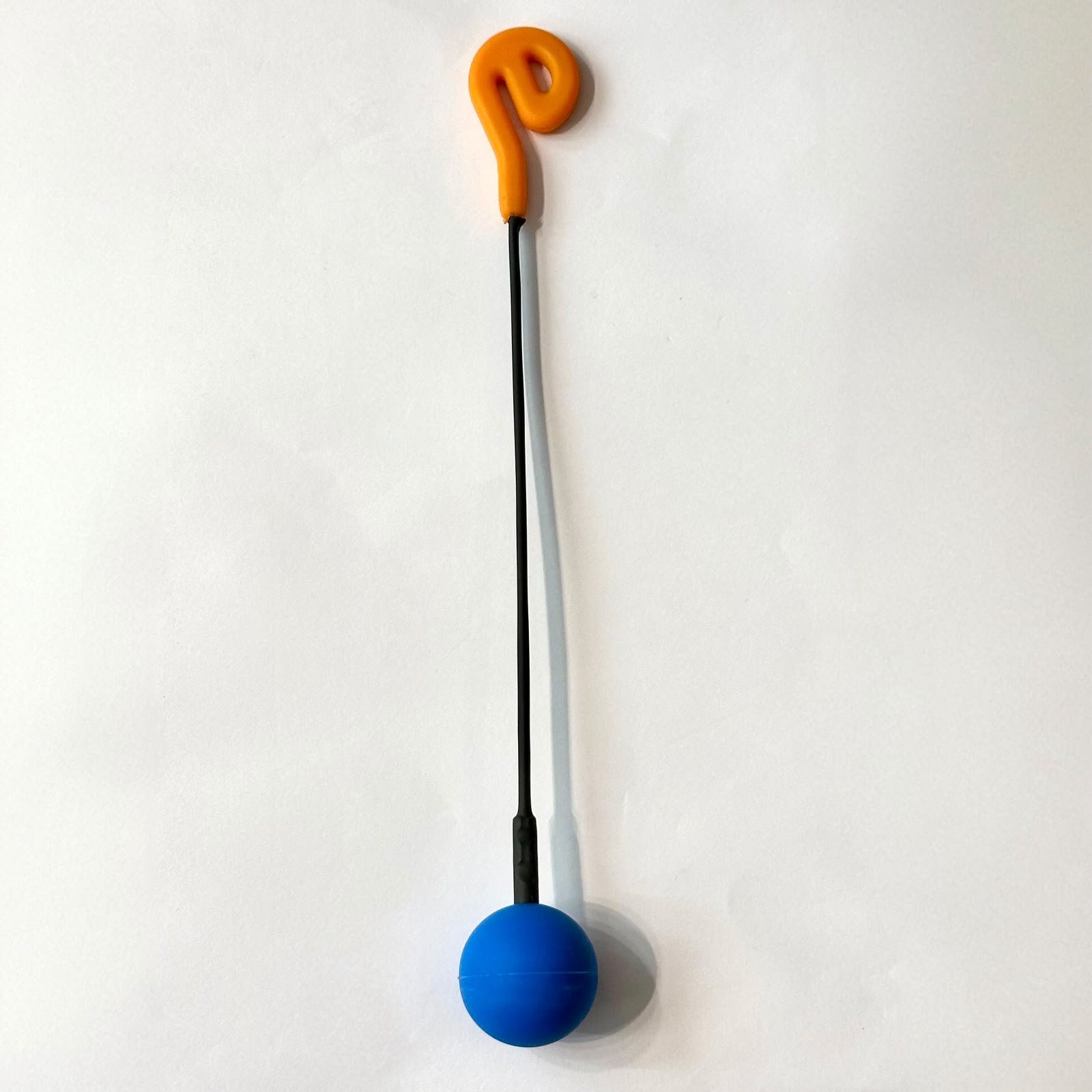
Rubber and silicone mallets
Rubber mallets are most associated with crystal singing bowls, which are made of quartz glass and can be damaged by hard wood or metal. Rubber gives crystal bowls a clean strike and grips their smooth rims well. Some players also use a rubber ball mallet on large metal bowls, or slide it across the surface to create a low, humming "friction" sound. If you're choosing between bowl types, see our comparison of crystal and metal singing bowls.
Gong beaters
Gongs need heavier, padded beaters to bring out their deep, rolling sound, and rubber ball mallets are used to make gongs "sing" by dragging them across the surface. Our guide to Himalayan gongs covers gong playing in more detail.
What never to use
Avoid metal objects, spoons and keys. Metal on metal can scratch the bowl's surface, damage painted designs, and produce harsh, unpleasant tones. On crystal bowls, metal or hard wood can chip or crack the bowl.
Matching a Mallet to Your Bowl

By bowl size and weight
| Bowl | Mallet size | Good choices |
|---|---|---|
| Small (under about 10cm, under about 300g) | Slim, light stick | Thin bare wood or a light suede-wrapped stick |
| Medium (about 10–14cm, 300–600g) | Medium thickness | Dual-ended wood and suede: the most versatile choice |
| Large (about 15cm and up, 600g+) | Thick, heavier mallet | Heavy suede-wrapped mallet for rimming; felt mallet for striking |
| Crystal bowls | Depends on size | Rubber or suede-covered mallets only |
If a mallet is too light for a big bowl, it won't put enough energy in and the bowl will sound thin. If it's too heavy for a small bowl, it can overpower it and make it rattle. Our complete singing bowl guide covers bowl sizes in more depth.
By the sound you want
- Bright and shimmering: bare wood.
- Smooth and meditative: suede or leather.
- Deep and soft: felt, for striking.
By bowl type
- Hand-hammered bronze bowls have rich overtones that bare wood shows off beautifully; use suede if they rattle. See our guide to handmade vs machine-made bowls.
- Brass and decorative bowls are often brighter, so a suede-wrapped mallet can soften and warm their tone.
- Painted bowls: strike below the painted area, and use a padded or wrapped mallet to protect the design.
Getting the Best Sound From Each Type
With bare wood
- Start with a gentle strike to set the bowl vibrating, then begin rimming.
- Move slowly and keep the pressure even. Speed is the main cause of rattling.
- Hold the stick upright, like a pen, with your whole arm doing the circling, not just the wrist.
With suede or leather
- Use the wrapped section flat against the outer rim.
- You can use a little more pressure and a slightly faster pace than with bare wood.
- If it starts to slip, the suede may be dirty or worn; see care below.
With felt
- Strike the outer wall just below the rim, with a relaxed, bouncing motion, letting the mallet come away immediately.
- Let each strike fade completely before the next.
- Use it for striking only; switch to wood or suede for rimming.
If your bowl still won't sing, or it buzzes and rattles, our troubleshooting guide, why won't my singing bowl sing?, goes through every common cause.
Caring for Your Mallet
- Keep it clean and dry: oil, sweat and lotion make mallets slippery. Wash your hands before playing.
- Bare wood: wipe with a dry cloth. If a new, glossy stick slips on the rim, lightly roughening the playing area with fine sandpaper can improve its grip. Don't soak wooden mallets.
- Suede: brush gently with a dry soft brush to lift the nap and remove dust. Keep it away from water and oils. If the wrap loosens, re-glue it, or wrap a new strip of suede.
- Felt: keep it dry and store it so the head isn't crushed. Replace it when it becomes hard or compressed.
- UAE heat: don't leave mallets in a hot car or in direct sun. Heat can crack wood and dry out glue and suede. Our heat guide for the UAE covers this.
- Store it with the bowl: keep the mallet beside the bowl on its cushion, not inside the bowl, where it can scratch the surface. Our guide on how to clean a singing bowl covers care for the bowl itself.
Common Mallet Mistakes
- Rimming with felt: soft felt slips; use wood or suede to make the bowl sing.
- Going too fast with bare wood: slow down and keep the pressure even to stop rattling.
- Using a tiny stick on a large bowl: the bowl will sound thin; use a heavier mallet.
- Striking too hard: loud, hard strikes produce harsh overtones and can mark the bowl. A gentle strike sounds better and lasts longer.
- Striking the painted area: strike the plain metal below the design to protect it.
- Using hard wood or metal on crystal bowls: this risks chipping; use rubber or suede.
Mallets and Bowls at Alpine Crystals

All our singing bowls come with a traditional wooden striker, and many sets also include a silk cushion. A few to consider:
- Small to medium bowls: the Antique-Finish Singing Bowl Set (11cm, 413g) and the Buddha Eye Singing Bowl (13cm, 430g).
- Medium to large bowls: the Tibetan Design Singing Bowl Set (12cm, 623g) and the Full Moon Singing Bowl (15.5cm, 708g, with cushion).
- Accessories: the Rubber Ball Gong Mallet for gongs and bowls, and the Handmade Silk Cushion (8cm) to support a small bowl while you play.
- Gong: the Himalayan Hand-Hammered Gong (40cm, with stand), which comes with its own wooden mallet.
Browse the full singing bowls collection. Stock changes, so check each product page for availability. Delivery across the UAE usually takes 1–2 days: free on orders of AED 150 and above, AED 20 below, with cash on delivery available.
Try the sound in person
The best way to hear how a mallet changes a bowl is to try it yourself. Visit our store at BurJuman Mall, 2nd Floor, Mankhool, Dubai, and we'll let you play bowls of different sizes and hear the difference between striking and rimming.
Want to hear a bowl before you buy?
Message us and we'll send a short video of the exact bowl being struck and played around the rim with its striker.
Which Mallet Should You Use?
If you only have one mallet, a dual-ended stick with bare wood at one end and suede at the other covers almost everything. Use the wood when you want brightness and control, the suede when you want a smooth, easy song with less rattling, and add a felt mallet if you love deep, gentle strikes. Match the mallet's weight to your bowl: slim sticks for small bowls, heavier mallets for large ones, and only rubber or suede on crystal bowls. Most of all, experiment. The right mallet is the one that makes your bowl sound the way you want it to.
Questions People Ask
Which singing bowl mallet is best for beginners?
A suede or leather-wrapped mallet is usually easiest, because it rattles far less when circling the rim. A dual-ended mallet with wood at one end and suede at the other is the most versatile choice.
What's the difference between a wood and a suede singing bowl mallet?
Bare wood brings out bright, high overtones and gives more control, but it can rattle on the rim. Suede smooths the tone, brings out the deep note and rattles much less.
Can you play a singing bowl with a felt mallet?
Yes, for striking. Felt gives a soft, deep tone. It's poor for circling the rim, because soft felt slips and rarely builds a sustained sound.
Why does my singing bowl rattle when I use the mallet?
Usually because you're moving too fast or your pressure is uneven, especially with bare wood. Slow down, keep the pressure steady, or switch to a suede-wrapped mallet.
What size mallet do I need?
Match it to the bowl: slim, light sticks for small bowls; medium mallets for medium bowls; thicker, heavier mallets for large bowls over about 15cm or 600g.
What mallet should I use for a crystal singing bowl?
Use a rubber or suede-covered mallet. Hard wood and metal can chip or crack crystal bowls.
How do I clean a suede singing bowl mallet?
Brush it gently with a dry, soft brush to lift dust and restore the nap. Keep it away from water and oils, and wash your hands before playing.
Do your singing bowls come with a mallet?
Yes. Every singing bowl we sell includes a traditional wooden striker, and many sets also include a silk cushion.